This is some text inside of a div block.

2026 Fort Worth Kitchen Remodeling Cost Guide
The essential guide for homeowners planning exceptional 2026 kitchen remodels, featuring transparent pricing, smart design insights, and connections to trusted contractors.


Average Kitchen Remodel Cost
Remodeling your kitchen is one of the most transformative projects you can undertake in a Fort Worth home. Understanding expected costs helps homeowners plan realistic budgets, especially considering local labor rates, building standards, and material availability in North Texas. This guide outlines typical Fort Worth kitchen remodeling costs in 2026 and shows how pricing can vary based on layout, materials, and design preferences.
Whether updating surfaces or reconfiguring the entire kitchen footprint, knowing local cost trends allows homeowners to plan with confidence. This article provides practical price ranges, explains how budgets are typically allocated, and highlights factors that influence remodeling costs in the Fort Worth area.
Kitchen remodels in Fort Worth generally fall near the national average, with costs influenced by labor availability, regional material pricing, and permit requirements. In 2026, remodeling a kitchen remains one of the most effective ways to improve daily functionality and boost long‑term home value. The numbers below give homeowners a solid starting point while leaving room for personalization.
2026 Fort Worth Cost Averages
Typical Range: $18,000 – $70,000+
Average Fort Worth Kitchen Remodel: ~$38,000
High‑End Projects: $65,000 – $140,000+


This is some text inside of a div block.

This is some text inside of a div block.

This is some text inside of a div block.
This is some text inside of a div block.

This is some text inside of a div block.

This is some text inside of a div block.

This is some text inside of a div block.


Kitchen Remodel Cost by Size
Kitchen size is a key factor in total remodel cost but doesn’t limit design potential. Fort Worth homes include compact kitchens in townhomes and bungalows, as well as larger kitchens in single‑family homes. Smaller kitchens benefit from efficient layouts and clever storage, while larger kitchens allow for islands, expanded cabinetry, and high‑end finishes.
Typical 2026 Fort Worth kitchen remodeling costs by size include:
Small Kitchens (70–120 sq. ft.): $16,000 – $36,000
Medium Kitchens (120–200 sq. ft.): $32,000 – $62,000
Large Kitchens (200–350+ sq. ft.): $55,000 – $140,000+
Smaller kitchens sometimes cost more per square foot because custom cabinetry and space‑saving solutions are often required.
Cost by Kitchen Component
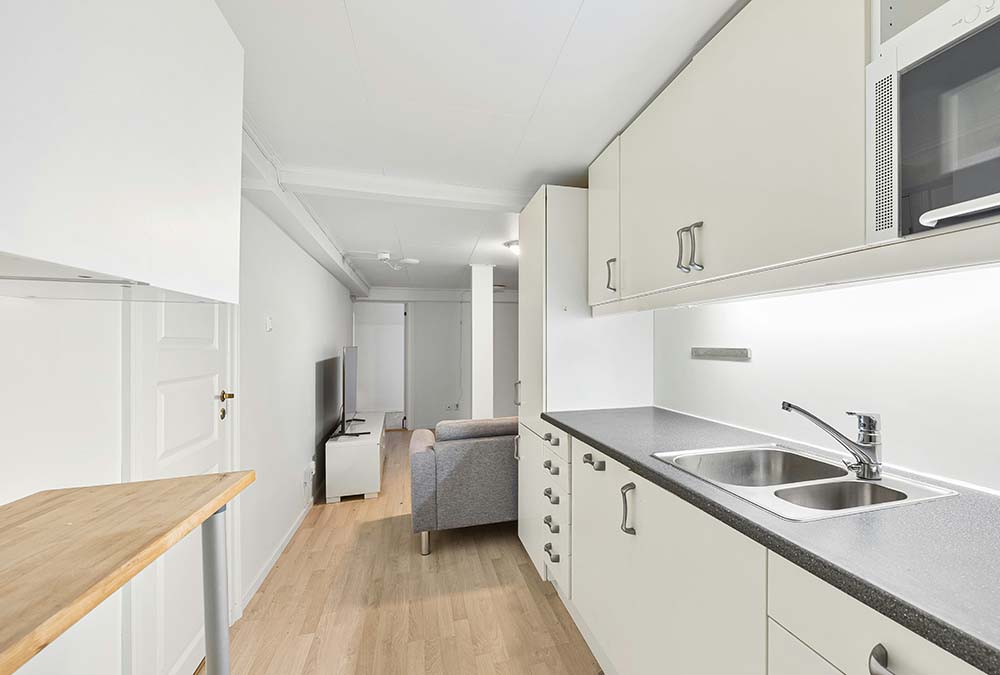
A kitchen remodel consists of multiple components, each adding to the total expense. Understanding how budgets are generally allocated helps homeowners prioritize upgrades and make informed decisions.
Average Fort Worth kitchen remodeling cost breakdown:
Cabinetry: 25–40% of budget
Countertops: 8–15%
Appliances: 10–20%
Flooring: 6–12%
Lighting & Electrical: 5–10%
Plumbing & Gas Work: 5–8%
Labor: 15–35%
Permits & Design: 3–8%
Labor and installation costs in Fort Worth reflect local contractor rates, inspection requirements, and North Texas building codes.
Cabinet Costs
Cabinetry sets both style and function in a kitchen. Fort Worth homeowners often prioritize durable materials, functional storage, and designs that complement the home’s character.
Typical cabinet costs in Fort Worth include:
Stock Cabinets: $4,000 – $10,500
Semi‑Custom Cabinets: $10,500 – $28,500
Custom Cabinets: $24,000 – $60,000+
Cabinet Refacing: $6,000 – $20,500
Custom cabinetry is frequently chosen in Fort Worth homes where layouts, ceiling heights, or architectural details require tailored solutions.
Countertop Costs

Countertops are both a functional workspace and a visual focal point. In 2026, Fort Worth homeowners favor surfaces that balance durability, style, and ease of maintenance.
Installed countertop costs in Fort Worth typically range:
Laminate: $40 – $70 per sq. ft.
Butcher Block: $75 – $140 per sq. ft.
Quartz: $95 – $185 per sq. ft.
Granite: $85 – $170 per sq. ft.
Porcelain / Sintered Stone: $120 – $235+ per sq. ft.
Quartz and porcelain remain popular choices for busy kitchens due to their longevity and low maintenance.
Appliance Costs

Appliances impact both workflow and style. Many Fort Worth kitchens include energy‑efficient, built‑in, or counter-depth models to maximize space and efficiency.
Typical Fort Worth appliance cost ranges:
Standard Appliance Packages: $4,000 – $8,500
Mid‑Range Appliances: $7,500 – $14,000
High‑End / Professional Appliances: $15,000 – $40,000+
Appliance selection influences both daily usability and resale potential.
Cost by Style
Design style can significantly affect total cost. Fort Worth kitchens range from modern urban layouts to traditional homes with classic charm.
Estimated Fort Worth kitchen remodeling costs by style:
Modern: $30,000 – $85,000
Traditional: $35,000 – $100,000
Transitional / Ranch‑Style: $28,000 – $80,000
Luxury Custom Kitchens: $65,000 – $140,000+
More detailed designs and premium finishes increase labor and material costs.
Regional Pricing Focus: Fort Worth
Kitchen remodel costs vary across the U.S., and Fort Worth typically aligns near the national median, with some higher-end projects depending on material selections and design complexity. Remodels may range from modest updates to extensive custom layouts.
Common Additional Costs
Even well-planned remodels may incur extra expenses based on the home’s age, systems, or layout changes.
Common additional expenses include:
Electrical Upgrades: $1,200 – $4,000
Plumbing or Gas Line Adjustments: $1,000 – $6,000
Structural Modifications: $2,500 – $25,000
Lead or Asbestos Handling: $600 – $5,000
Permit & Filing Fees: $300 – $3,000
Maximizing ROI
A successful kitchen remodel in Fort Worth balances style, functionality, and long-term home value. Buyers in the area tend to prefer kitchens that are practical, open, and well finished rather than overly customized. Prioritizing upgrades that improve flow, storage, and durability can enhance both daily usability and resale appeal.
Money‑Saving Strategies:
• Keep your current layout to limit plumbing and electrical changes
• Refresh cabinet exteriors when boxes remain in good shape
• Combine statement finishes with cost-conscious materials
• Choose reliable, energy-efficient appliances rather than overspending on premium models
High‑ROI Kitchen Upgrades:
• Quality cabinetry with smart storage solutions
• Durable countertops such as quartz or granite
• Layered lighting to improve both task visibility and ambiance
• Energy-efficient appliances appealing to Texas buyers
Frequently Asked Questions
How long does a typical kitchen remodel take?
Most kitchen remodels take between 5 and 10 weeks, depending on the scope of work, contractor schedule, and material availability. Small updates can be completed faster, while full remodels with layout changes may take longer. Proper planning and working with experienced kitchen pros helps keep your project on schedule.
Can I remodel my kitchen without changing the layout?
Absolutely. Many homeowners choose a cosmetic remodel, updating cabinets, countertops, appliances, flooring, and lighting while keeping the existing layout. This approach is often quicker and more budget-friendly, but still delivers a fresh, modern look.
How can I plan my kitchen remodel budget effectively?
Start by understanding the average costs for your city and desired materials, then prioritize the upgrades most important to you. Working with kitchen pros early in the process allows you to get accurate quotes, explore design options, and make choices that maximize both style and functionality.
What are the most important upgrades to focus on in a kitchen remodel?
The most impactful upgrades usually include cabinetry, countertops, lighting, and appliances. These elements shape both the look and functionality of your kitchen. Prioritizing quality in these areas ensures a beautiful, long-lasting space that suits your lifestyle and adds value to your home.

Cost Guides by City
New York
A kitchen remodel in New York is an exciting opportunity to refresh the heart of your home in 2026. From sleek city kitchens to spacious suburban layouts, this guide explores current kitchen remodel costs in NY and what’s typically included, helping you plan your project with clarity and inspiration.
Houston
In 2026, Houston homeowners are embracing kitchen remodels that blend comfort, style, and everyday functionality. Whether you’re planning a light update or a full transformation, this guide walks through typical Houston kitchen remodel costs and popular upgrade options to help you get started.
Chicago
Chicago kitchens are getting a fresh look in 2026, with remodels that balance character and modern convenience. This guide outlines average kitchen remodel costs in Chicago and what homeowners can expect when planning a renovation that fits their lifestyle.
Los Angeles
A Los Angeles kitchen remodel is all about creating a space that feels both beautiful and effortless. This 2026 cost guide highlights common kitchen renovation price ranges in LA and the design choices homeowners are making to bring their vision to life.


