
This is some text inside of a div block.
Top Kitchen Reconfiguration Trends for 2026
Kitchens are evolving from static cooking zones into flexible, personalized hubs in 2026. These reconfiguration trends redefine flow, functionality, and form for today’s lifestyle—and tomorrow’s.


Open Flow Work Zones That Boost Efficiency
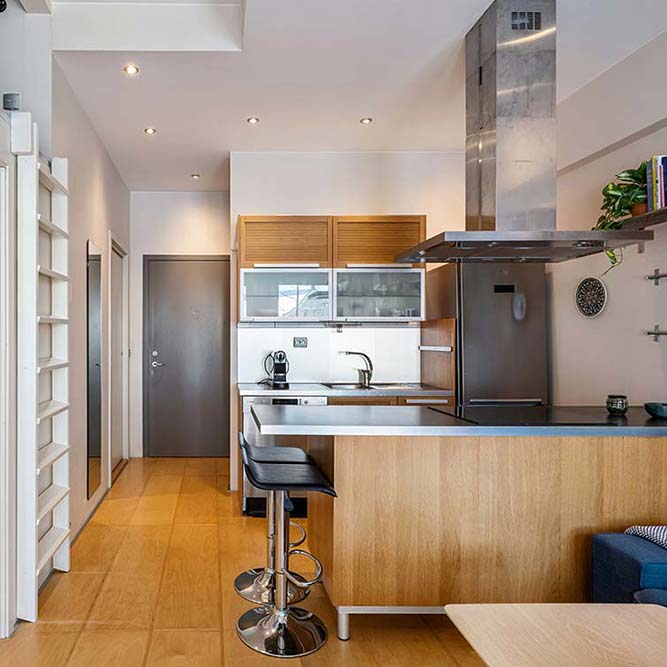
In 2026, kitchens are being reconfigured to support seamless flow between key activity areas: prep, cooking, serving, and cleanup. Instead of rigid triangles that confine movement, designers are favoring fluid zones with distinct purposes but shared openness. This reimagined layout helps multiple users work simultaneously without crowding, making kitchens more sociable and user-centric.
Homeowners are moving sinks closer to islands, pairing them with undercounter storage for prep tools, or situating ovens near pull-out pantry space to streamline baking routines. These thoughtful shifts prioritize ergonomics and make actions feel intuitive: reach, chop, cook, and serve without backtracking across the room. The result is a kitchen that feels natural to navigate, reducing time spent shuttling between stations and enhancing the overall cooking experience.


This is some text inside of a div block.

This is some text inside of a div block.

This is some text inside of a div block.

This is some text inside of a div block.

This is some text inside of a div block.
This is some text inside of a div block.

This is some text inside of a div block.




Island Transformation: Multi-Purpose Hubs
Kitchen islands have long been focal points, but in 2026 they’re gaining new purpose through intelligent reconfiguration. Rather than serving as static counters, islands are evolving into true multi-functional hubs that support dining, storage, prep, and technology integration.
Designers are incorporating features like built-in sink stations, concealed dishwasher drawers, and adjustable height tops that shift between bar seating and prep surfaces. In open floor plans, islands are expanding sideways to house informal dining nooks or additional refrigeration drawers. This trend supports the idea that the island should adapt to how families live — whether entertaining guests, doing homework, or preparing complex meals, the island can flex to meet each need.
Zoning for Distinct Family Uses
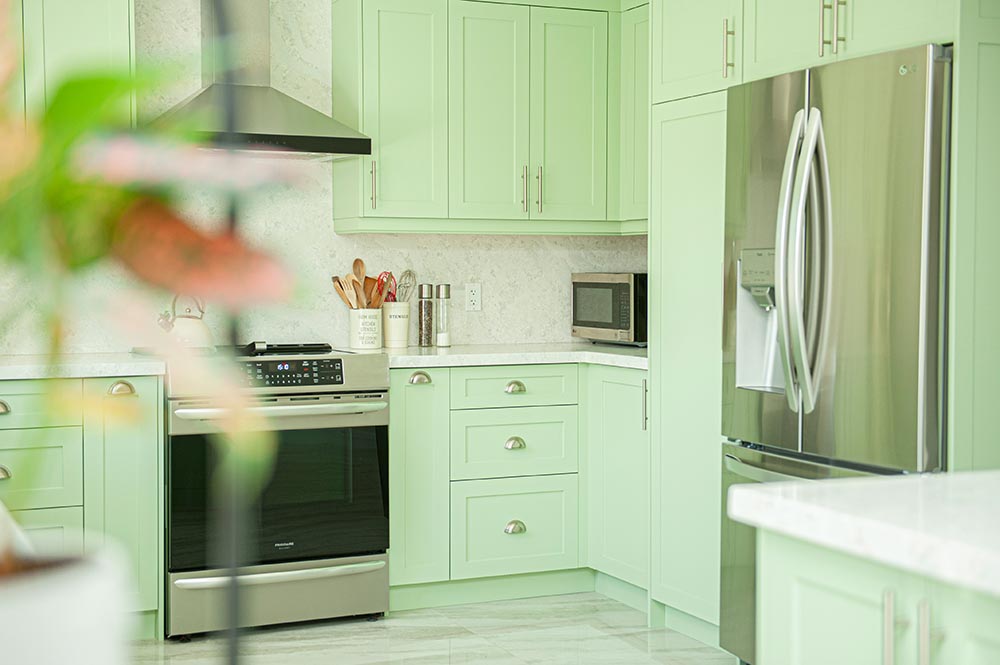
With more people working, learning, and living at home, kitchens are no longer just for food. That’s why 2026 reconfiguration trends emphasize zoning to carve out distinct areas for varied activities. Think a homework station with storage and USB outlets near the coffee bar, or a hidden workstation with mail organizers next to the pantry.
These zones don’t disrupt kitchen efficiency — they enhance it by designating space for tasks that naturally gravitate toward the heart of the home. For example, a study niche near a wall of lower cabinets provides a landing spot for devices without blocking primary work zones. This approach embraces the reality of modern life, turning the kitchen into an adaptable backdrop for daily routines.
Rebalancing Work and Social Areas
Traditional kitchens prioritized work areas with social engagement as an afterthought. In 2026, reconfiguration is rebalancing these priorities to ensure social spaces feel integrated without compromising function. Seating areas are now planned around natural interaction points, such as near prep sinks or on the opposite side of islands, so guests and family can chat with the cook without getting in the way.
Bench seating, banquettes, and casual dining nooks are more seamlessly woven into kitchen layouts, replacing isolated breakfast tables that felt separate from the action. Designers are also pairing open shelving and display niches near these social zones to create visual warmth and encourage engagement. The result is a kitchen that feels inclusive — a place where conversation flows as naturally as the cooking.
Walk-Through Pantries That Improve Flow
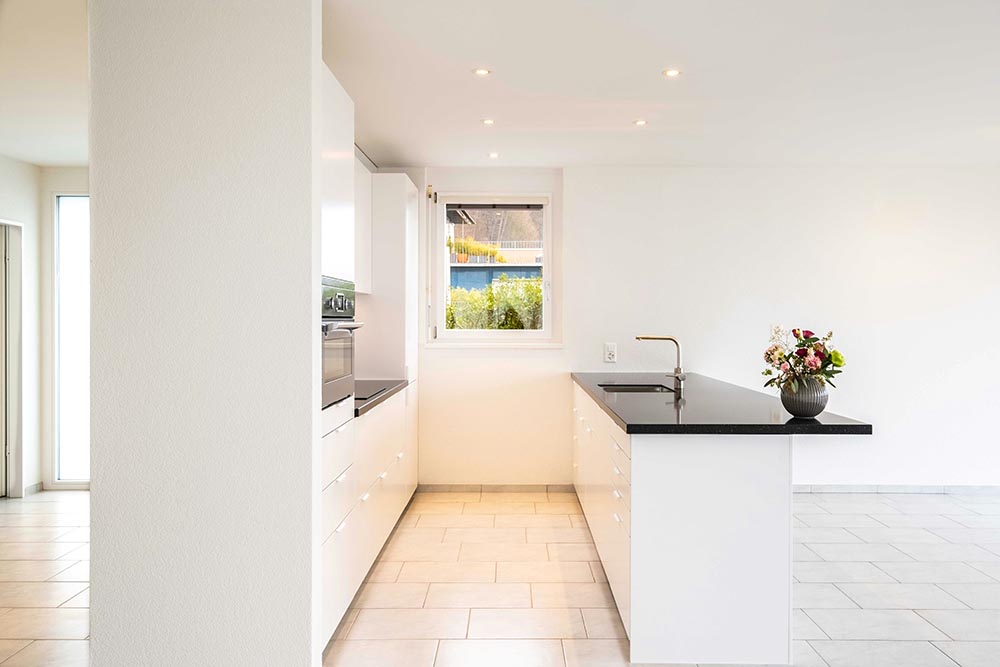
Pantries are shedding their static, hidden-away role and stepping into the kitchen’s functional core. In 2026, walk-through pantries are gaining popularity as strategic conduits that improve circulation while expanding storage. Instead of tucked closets, these pantries act as transitional spaces between kitchen work zones and adjacent rooms like dining or laundry areas.
This reconfiguration allows for double-sided storage that’s easy to access from multiple angles. Shelving, vertical pull-outs, and specialized bins maximize every inch, while clear sightlines keep the pantry from feeling like a dungeon. By organizing food, appliances, and small wares upfront and on route, these pass-through pantries streamline meal prep and make stocking, restocking, and cleanup smoother than ever.
Appliance Layouts That Match Workflow
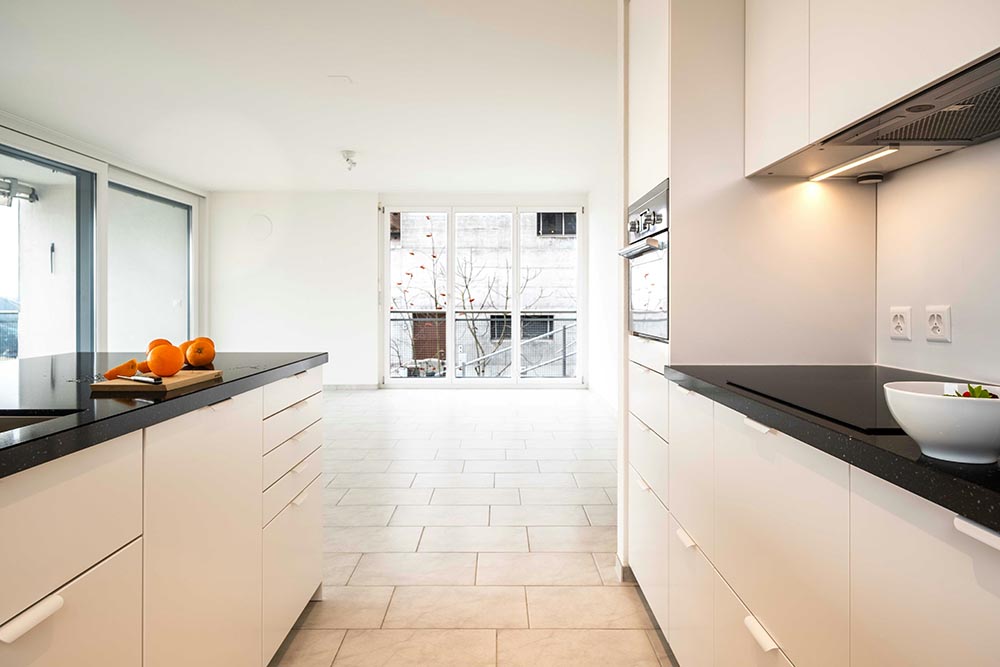
Rather than placing appliances according to legacy rules, kitchens in 2026 are being reconfigured to match how individual households work. This means positioning ovens, cooktops, and refrigeration units based on real activity patterns — not just symmetry. For example, a family that cooks elaborate meals together may choose a dual oven layout flanking the prep island, while someone who entertains frequently might prefer a beverage center near seating spaces.
This trend also extends to niche appliance zones: coffee stations near sunny breakfast nooks, steam ovens beside vegetable draw cabinets, and under-counter wine units near conversational seating. By tuning appliance placement to actual habits, kitchens feel tailor-made for comfort, convenience, and logic. It’s less about rules and more about support for the tasks that matter most to daily life.
Flexible Bar and Beverage Areas
Coffee and beverage zones have graduated from countertop corners to intentional destinations in 2026 kitchens. These spaces are being reconfigured with their own storage, electrical planning, and stylish finishes, allowing morning routines and evening unwind moments to happen without cluttering primary zones.
Whether it’s a dedicated coffee bar cabinetry with pull-out espresso machine stations or a chic bar area with built-in undercounter coolers and glass storage, these niches are both practical and stylish. Integrated lights and accent surfaces like stone backsplashes or brass hardware make them feel special, encouraging use and making entertaining easier. By dedicating space to drinks and small gatherings, kitchens become more versatile and inviting.
Dynamic Seating That Responds to Use
Static bar stools and fixed dining tables are giving way to dynamic seating in 2026 kitchen remodel designs. Reconfiguration is blending seating into the layout so it can shift with needs — tuck-away benches, rolling stools, and flip-down surfaces that convert from prep ledge to eating bar.
This approach is particularly powerful in homes with limited square footage. A bench that slides under an overhang or a fold-away table by a window can expand usable space when not in use. It also allows families to adapt seating based on occasion: a quick breakfast, a homework session, or a dinner party with extra guests. These flexible seating strategies help kitchens feel more expansive and functional without adding physical square footage.
Pocket Doors and Flexible Boundaries
Open-concept living isn’t going away, but in 2026 designers are introducing flexible boundaries that let homeowners tune privacy and noise without permanent walls. Pocket doors, sliding glass panels, and accordion systems allow kitchens to connect with adjoining rooms — or separate when needed.
This trend is especially valuable for families who want to contain cooking smells or noise during gatherings while maintaining visual flow. When doors slide open, kitchens feel integrated with living spaces; when closed, they offer controlled environments for focused cooking or cleanup. The result is a kitchen layout that adapts to context and mood, reinforcing that flexibility, not rigidity, defines modern design.
Smart Planning for Future Change
Perhaps the most important trend in kitchen reconfiguration for 2026 is planning for future adaptability. Homes evolve — whether through changing family dynamics, aging in place, or new lifestyle needs — and kitchens are being designed to shift alongside them. Instead of fixed choices, homeowners are opting for systems that can be updated over time.
This might include adjustable storage towers, movable islands on casters, reconfigurable lighting schemes, or pre-wired tech zones that can accommodate changing devices. It can also mean future-proofing utility placements so adding an extra sink or a beverage fridge later is less disruptive. By building flexibility into the floor plan, kitchens remain relevant, resilient, and responsive to life’s twists and turns.
Frequently Asked Questions
How can I increase my home’s value with a kitchen remodel?
A well-executed kitchen remodel can significantly boost your home’s resale value. Buyers are attracted to functional layouts, modern appliances, and high-quality finishes. Working with experienced kitchen remodeling pros ensures that your remodel combines style and practicality, giving you a strong return on investment.
Can I remodel my kitchen without changing the layout?
Absolutely. Many homeowners choose a cosmetic remodel, updating cabinets, countertops, appliances, flooring, and lighting while keeping the existing layout. This approach is often quicker and more budget-friendly, but still delivers a fresh, modern look.
How do I find trusted kitchen remodeling pros?
Finding reliable kitchen remodeling pros is essential to a successful kitchen remodel. At FindKitchenPros.com, we connect homeowners exclusively with vetted professionals who specialize in kitchen remodels. This ensures your project is handled by experts who understand the latest trends, quality materials, and efficient workflows.
What are the most important upgrades to focus on in a kitchen remodel?
The most impactful upgrades usually include cabinetry, countertops, lighting, and appliances. These elements shape both the look and functionality of your kitchen. Prioritizing quality in these areas ensures a beautiful, long-lasting space that suits your lifestyle and adds value to your home.
In this article

View All
Collapse
Read More
Top Cabinetry Trends
From sleek minimalist designs to smart storage solutions and sustainable materials, our latest guide reveals the top cabinetry trends shaping kitchens in 2026. Whether you’re remodeling or simply seeking inspiration, find out what’s on the rise and how to elevate your space with style and function.
Selecting Countertops
Choosing the right countertop can transform your kitchen — from timeless elegance to everyday functionality. Explore expert tips on materials, durability, maintenance, and style to help you find the perfect surface for your space and lifestyle.
Top Flooring Trends
From sustainable materials and bold patterns to high-performance surfaces for every room, discover the flooring trends that will define home design in 2026. Get inspired with the latest looks, practical tips, and expert picks to elevate your space from the ground up.
Selecting Kitchen Color
The right kitchen color sets the tone for your entire space. From warm neutrals to bold statement hues, explore expert tips on choosing colors that complement your cabinetry, countertops, lighting, and personal style—creating a kitchen you’ll love for years to come.


