This is some text inside of a div block.

How to Select a Countertop
Choosing the right countertop is one of the most impactful decisions you’ll make in a kitchen remodel. The surface you select affects style, function, and long-term satisfaction in daily life.


Understanding Material Options
When selecting a countertop, the material you choose sets the tone for your entire kitchen and impacts how the space performs every day. Natural stone surfaces like quartzite, marble, and granite offer timeless aesthetics and excellent heat resistance, making them great for both casual and formal cooking environments. Engineered quartz provides consistency in pattern and color plus superior stain resistance, which matters if your kitchen sees heavy use. Other options such as concrete, solid surface, and recycled glass offer unique textures and customizable edges, appealing to homeowners who want something truly distinctive. Before deciding, consider how much maintenance you’re willing to commit to: some stones require periodic sealing, while engineered materials are virtually maintenance-free. Balance aesthetics with durability to ensure your new countertop stays both functional and beautiful for years.


This is some text inside of a div block.

This is some text inside of a div block.

This is some text inside of a div block.

This is some text inside of a div block.

This is some text inside of a div block.
This is some text inside of a div block.

This is some text inside of a div block.




Assessing Durability and Daily Use
Evaluating how a countertop stands up to daily use is critical in choosing a surface that fits your lifestyle. Kitchens that see frequent cooking and entertaining benefit from materials with high scratch and impact resistance, because heavy pots, pans, and kitchen tools interact with the surface daily. Engineered quartz resists stains and scratches well, making cleanup easier and preserving appearance over time. Natural stones such as granite offer robust performance but may need sealing to protect against spills and etching from acidic foods. Concrete and butcher block add warmth and character, but they can be more prone to dents and staining if not properly sealed and maintained. Think about how often you prepare meals, whether children will use the space, and how much time you want to spend caring for the surface. Prioritize durability to match your pace of life.
Comparing Aesthetic Styles
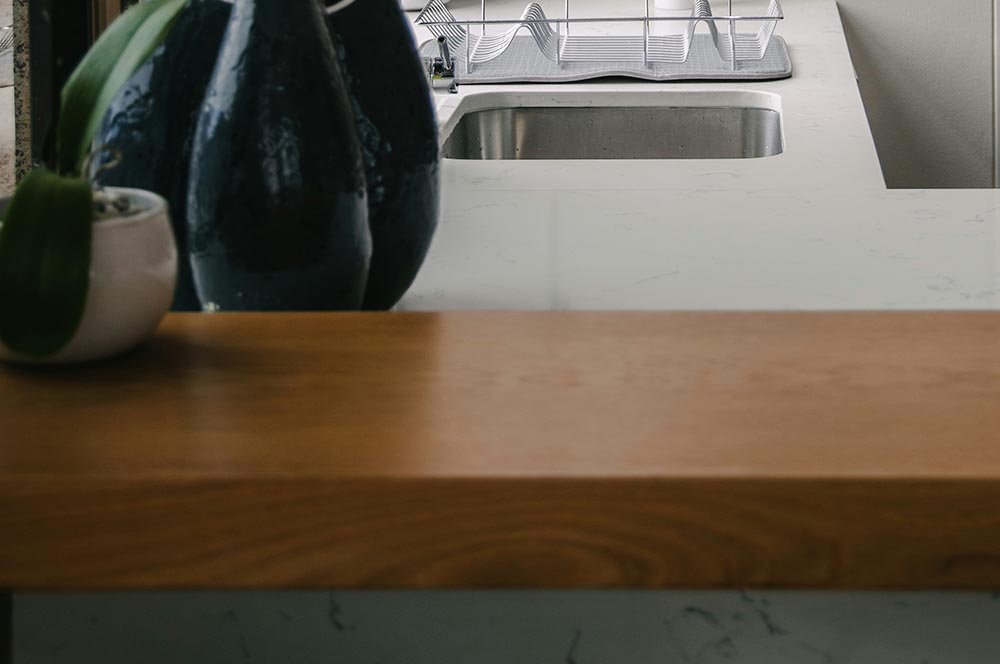
Countertops do more than support your workstations — they define the visual identity of your kitchen. Sleek white and light neutral surfaces create a bright, open feel that complements both modern and traditional cabinetry. Deep veining or dramatic patterns in natural stone add a sense of luxury and visual focus, while warm, earthy tones can make a kitchen feel grounded and inviting. Textured materials like honed stone bring a softer look, whereas high-gloss finishes reflect light and highlight nearby design elements like lighting or hardware. Consider how your countertop pairs with cabinetry, flooring, backsplashes, and lighting to create harmony throughout the space. Bring home samples and view them at different times of day to see how light influences their appearance. A surface that looks good in a photo might behave very differently in your home, so take the time to assess it fully.
Matching Countertops With Lighting
Lighting plays a powerful role in how countertops appear and function in your kitchen. Natural light can brighten surfaces, highlighting subtle color variations and texture that might be muted under artificial lighting. Under-cabinet lighting helps illuminate work areas, making it easier to spot crumbs, spills, and details while preparing food. When selecting a surface, think about the balance between light and shadow: darker countertops can create contrast and depth, but they may show dust and smudges more readily under bright lights. Lighter surfaces reflect light, enhancing an airy feel, but they might require more vigilance to avoid visible stains. Consider combining layered lighting — natural, pendant, and task lighting — to create a versatile environment where your countertop always looks its best. The right lighting plan ensures your surface supports both day-to-day tasks and evening gatherings.
Maintenance and Care Tips
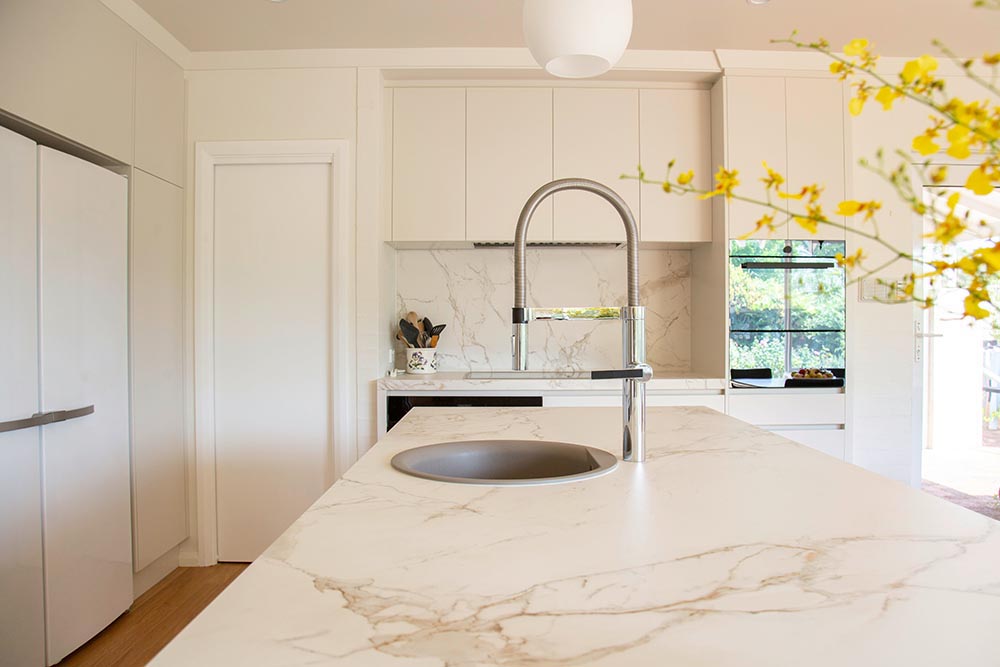
Every countertop material comes with its own care routine, so it’s important to understand what each surface requires to stay looking its best. Engineered quartz generally requires the least maintenance: regular wiping with gentle cleaners is usually enough to keep it spotless. Natural stone options like marble and granite may need sealing every year or two to protect against stains and etching, especially in busy kitchens where spills are common. Avoid harsh chemical cleaners on sensitive surfaces, and always use cutting boards to prevent scratches. For materials like concrete or wood, periodic resealing can prevent moisture damage and maintain the surface’s integrity. Implement a simple daily cleaning routine with mild soap and water to remove spills before they set. Proper care protects your investment and ensures your countertop’s appearance evolves gracefully with time.
Practical Considerations for Installation
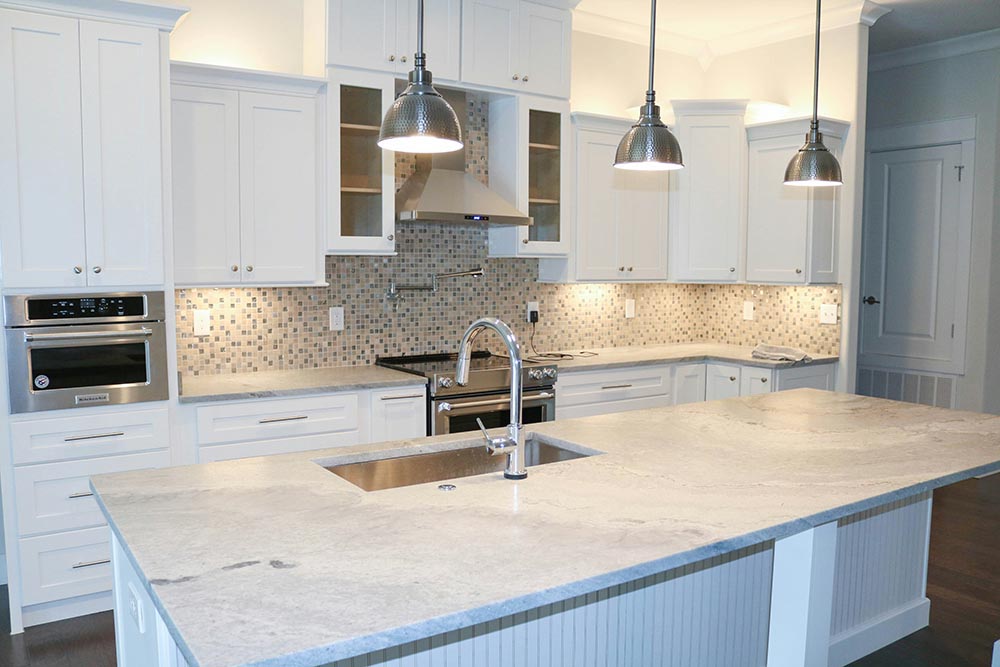
Selecting a countertop is only part of the process; preparation for installation also matters. Measure your space precisely and account for appliance footprints to ensure a seamless fit. Countertop slabs are heavy, so professional installers are essential to avoid damage and ensure proper support structures are in place. Discuss edge profiles with your fabricator — choices like beveled, bullnose, and waterfall edges change both feel and visual weight. Some materials require special treatment around sinks or cooktops, and overhangs must be supported to prevent cracking under load. Timing is another consideration: ordering slabs can take several weeks, and cutting, finishing, and sealing add to project duration. Coordinate countertop installation with cabinetry and appliance delivery to avoid delays or costly retries. Clear communication with your kitchen remodel professional smooths the process and helps deliver results on schedule.
Budgeting Smartly
Countertop costs vary widely depending on material, thickness, and fabrication complexity. Natural stone surfaces like marble or high-end quartzites tend to be on the higher end of the price spectrum, while engineered quartz and solid surface materials often provide balance between quality and cost. Exotic stones or custom fabrication — such as bookmatched slabs or unique edge profiles — can raise the price significantly, so set a clear budget early. Don’t forget to include fabrication, transport, and installation in your overall cost, because these services are essential and can add to the total. If you want the look of high-end materials without the premium price tag, consider alternatives that mimic patterns and finishes more economically. Discuss options with your remodel specialist to find a surface that fits both your aesthetic goals and your financial plan. Smart budgeting ensures satisfaction without overspending.
Sustainability and Eco Options
Many homeowners today seek eco-friendly countertop solutions that reduce environmental impact without sacrificing beauty or performance. Recycled glass and composite materials incorporate post-consumer content and divert waste from landfills while offering vibrant color options. Some engineered surfaces use lower-emission resins or binders, reducing volatile organic compound output in your home. Natural stones sourced locally can decrease transportation emissions and support regional suppliers. Responsibly harvested wood surfaces, like butcher block with Forest Stewardship Council certification, bring warmth and renewable appeal. When considering sustainable options, check manufacturer disclosures on material origins and environmental certifications. Even conventional materials can be made greener by choosing low-VOC sealers and cleaners. Prioritizing sustainability supports healthier indoor air quality and aligns your remodel with broader environmental goals. Thoughtful material choice lets you enjoy style with a clear conscience.
Trends and Timeless Choices
While design trends come and go, some countertop styles have proved enduring for good reason. Classic light neutrals with subtle veining remain popular because they complement many cabinetry and flooring choices, making them adaptable if you change other elements later. Bold, dramatic veining continues to appeal to those who want a statement surface without overwhelming the overall design. Textured honed stone and matte finishes are rising in popularity because they mask fingerprints and minor wear more gracefully. Meanwhile, ultra-thin profiles lend a contemporary feel that pairs well with minimalist cabinetry. When incorporating trendy elements, do so in a way that integrates with your personal taste and long-term vision for the space. That balance between trend and timelessness ensures your countertop feels fresh now and continues to delight long into the future.
Making the Final Decision
After exploring materials, performance, maintenance, and aesthetics, arriving at a final countertop decision is about aligning priorities with practical needs. Revisit your lifestyle requirements: how often you cook, what tasks dominate your kitchen time, and whether you prioritize ease of care or visual impact. Engage with samples in your actual space to see how light and adjacent surfaces affect appearance. Consult your remodeling professional to confirm that your chosen material suits your intended use and budget, and ask about warranty details for added peace of mind. Trust your instincts but pair them with informed choices to avoid buyer’s regret. A countertop that feels right visually and functions well in practice becomes an anchor for your kitchen design. When all these factors align, you’ll end up with a surface you truly love.
Frequently Asked Questions
How can I increase my home’s value with a kitchen remodel?
A well-executed kitchen remodel can significantly boost your home’s resale value. Buyers are attracted to functional layouts, modern appliances, and high-quality finishes. Working with experienced kitchen remodeling pros ensures that your remodel combines style and practicality, giving you a strong return on investment.
Can I remodel my kitchen without changing the layout?
Absolutely. Many homeowners choose a cosmetic remodel, updating cabinets, countertops, appliances, flooring, and lighting while keeping the existing layout. This approach is often quicker and more budget-friendly, but still delivers a fresh, modern look.
How do I find trusted kitchen remodeling pros?
Finding reliable kitchen remodeling pros is essential to a successful kitchen remodel. At FindKitchenPros.com, we connect homeowners exclusively with vetted professionals who specialize in kitchen remodels. This ensures your project is handled by experts who understand the latest trends, quality materials, and efficient workflows.
What are the most important upgrades to focus on in a kitchen remodel?
The most impactful upgrades usually include cabinetry, countertops, lighting, and appliances. These elements shape both the look and functionality of your kitchen. Prioritizing quality in these areas ensures a beautiful, long-lasting space that suits your lifestyle and adds value to your home.
In this article

View All
Collapse
Read More
Top Cabinetry Trends
From sleek minimalist designs to smart storage solutions and sustainable materials, our latest guide reveals the top cabinetry trends shaping kitchens in 2026. Whether you’re remodeling or simply seeking inspiration, find out what’s on the rise and how to elevate your space with style and function.
Selecting Countertops
Choosing the right countertop can transform your kitchen — from timeless elegance to everyday functionality. Explore expert tips on materials, durability, maintenance, and style to help you find the perfect surface for your space and lifestyle.
Top Flooring Trends
From sustainable materials and bold patterns to high-performance surfaces for every room, discover the flooring trends that will define home design in 2026. Get inspired with the latest looks, practical tips, and expert picks to elevate your space from the ground up.
Selecting Kitchen Color
The right kitchen color sets the tone for your entire space. From warm neutrals to bold statement hues, explore expert tips on choosing colors that complement your cabinetry, countertops, lighting, and personal style—creating a kitchen you’ll love for years to come.


