This is some text inside of a div block.

Selecting Kitchen Color
Choosing kitchen color influences mood, flow, and visual balance while shaping how the space functions daily. Thoughtful color selection supports successful kitchen remodeling by connecting lighting, materials, and personal style seamlessly together.


Understanding Light And Space
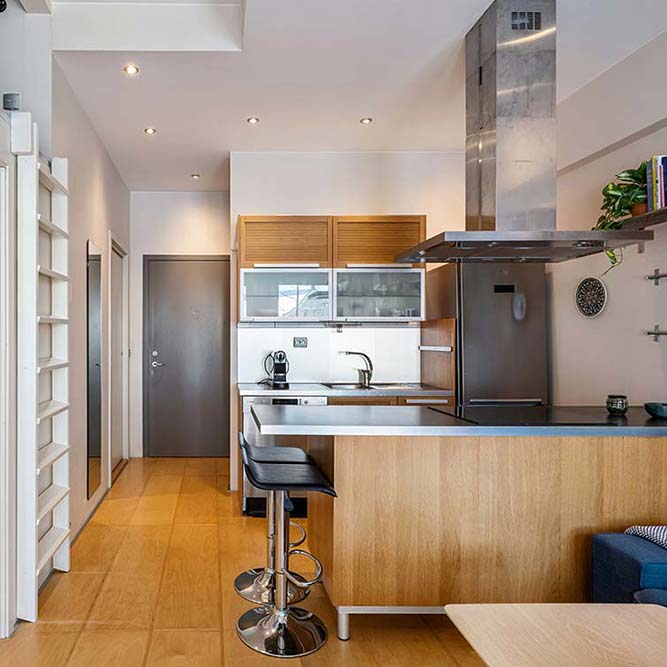
Light exposure plays a major role when selecting kitchen color, affecting how shades appear throughout the day. Natural daylight reveals true undertones, while artificial lighting can warm or cool surfaces unexpectedly. North facing kitchens often benefit from warmer hues that counteract cooler light, while south facing spaces handle cooler tones comfortably. Observe walls, cabinets, and ceilings during morning, afternoon, and evening to note color shifts. Large sample patches provide better insight than small swatches. Consider shadows created by upper cabinets, islands, and appliances. Coordinating color with light placement improves balance, depth, and usability. Successful kitchen remodeling accounts for how color and light interact, ensuring the space feels consistent, functional, and visually comfortable at all times.


This is some text inside of a div block.

This is some text inside of a div block.

This is some text inside of a div block.

This is some text inside of a div block.

This is some text inside of a div block.
This is some text inside of a div block.

This is some text inside of a div block.




Choosing A Primary Kitchen Shade
A primary kitchen color establishes the foundation for the entire space and should align with lifestyle, layout, and design goals. Soft neutrals create flexibility and longevity, while stronger colors express personality and confidence. Consider how often the kitchen is used and whether the goal is calm, energy, or warmth. Lighter shades can visually expand smaller kitchens, while deeper tones add richness to larger layouts. Evaluate how the primary color interacts with cabinetry, counters, and flooring materials. Undertones matter, especially when mixing finishes. Testing samples near permanent features helps avoid mismatched hues. In kitchen remodeling, the primary shade guides all supporting color decisions effectively.
Using Accent Colors Strategically

Accent colors add dimension and interest without overpowering the kitchen’s main palette. These hues work well on islands, backsplashes, trim details, or select cabinetry. Choose accent colors that complement the primary shade rather than compete with it. Earthy tones, muted blues, or deep greens often provide contrast while maintaining balance. Metallic finishes like brass or matte black can act as subtle color accents themselves. Limit accents to one or two areas to avoid visual clutter. Consider how accents connect with fixtures and appliances. Thoughtful placement ensures cohesion. During kitchen remodeling, accent colors help define zones and create focal points that elevate overall design impact.
Coordinating Cabinets And Walls
Cabinet and wall color coordination significantly affects how unified a kitchen feels. Matching tones create a seamless appearance, while contrasting colors highlight structure and layout. Light walls paired with darker cabinets ground the space, adding depth and sophistication. Wood tones introduce warmth and should align with wall undertones. Finish sheen also matters, as glossy cabinets reflect more light than matte walls. Consider how trim and crown molding bridge cabinet and wall colors. Consistency across these elements improves flow. During kitchen remodeling, coordinated cabinet and wall colors enhance proportion, visual balance, and long term satisfaction with the finished space.
Balancing Texture And Finish
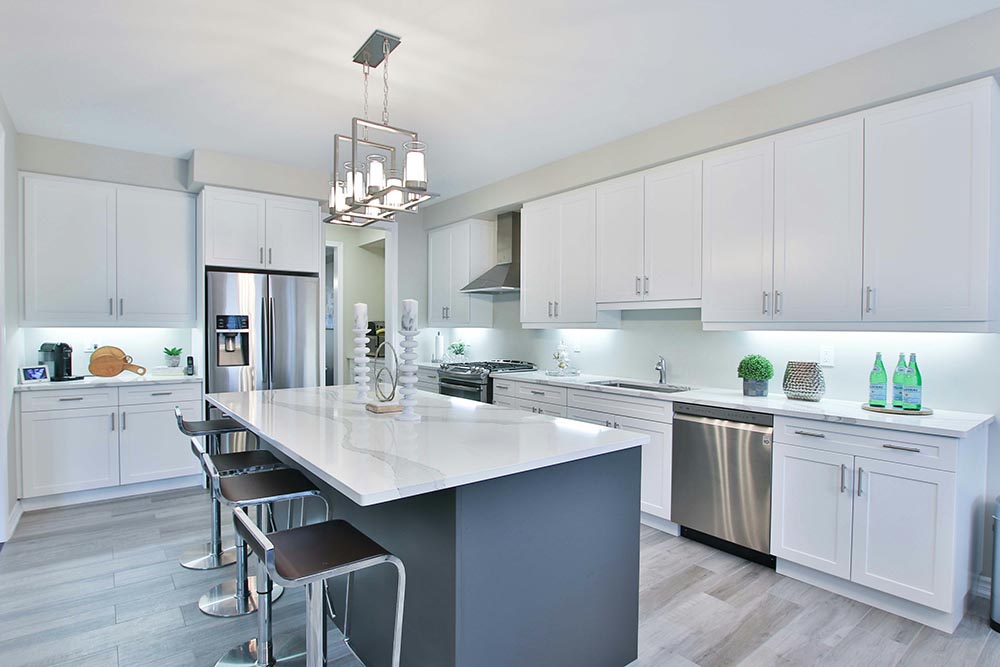
Texture influences how kitchen colors are perceived and experienced. Smooth, glossy finishes reflect light, intensifying color, while matte surfaces soften appearance. Mixing textures prevents flatness and adds visual interest. For example, pairing matte cabinetry with glossy tile creates contrast without changing color. Natural materials like stone or wood introduce subtle variation through grain and pattern. Keep textures balanced to avoid overwhelming the palette. Too many finishes can distract from color intent. In kitchen remodeling, aligning texture choices with color goals helps achieve a cohesive look that feels layered, intentional, and visually engaging without appearing busy or disjointed.
Matching Color With Lighting Design
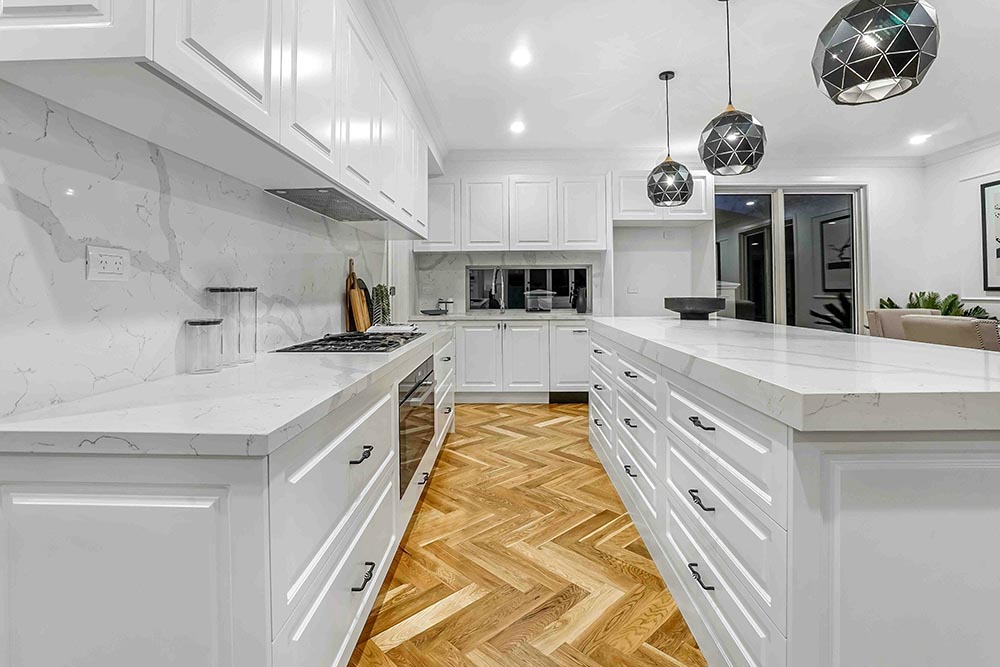
Lighting selection directly affects how kitchen colors perform and should be planned together. Warm lighting enhances earthy and neutral tones, while cooler lighting supports crisp whites and modern palettes. Layered lighting, including ambient, task, and accent fixtures, ensures color consistency across functions. Under cabinet lighting highlights backsplashes and counters, influencing perceived shade depth. Dimmers allow color to shift with mood and time. Test lighting temperatures before finalizing paint choices. In kitchen remodeling, coordinating lighting with color selection prevents unwanted undertones and ensures the space looks balanced from morning through evening use.
Understanding Color Psychology
Color psychology plays a subtle yet important role in kitchen comfort and usability. Warm colors encourage conversation and appetite, making them popular for gathering focused kitchens. Cooler colors promote calm and organization, supporting focused cooking environments. Neutral shades offer adaptability and timeless appeal, though undertones should be chosen carefully. Overly bold colors can feel overwhelming if overused. Balance emotional impact with practicality. Consider how color affects daily routines and long term enjoyment. During kitchen remodeling, understanding color psychology helps create a space that feels supportive, welcoming, and aligned with household habits and preferences.
Planning For Fixed Materials
Fixed materials such as countertops, flooring, and backsplashes should guide color decisions early. These elements remain longer than paint and often dictate undertones. Select kitchen colors that harmonize with stone veining, wood grain, or tile patterns. Neutral base colors allow flexibility if accents change later. Avoid forcing color choices that clash with permanent materials. Sample paint near installed surfaces for accuracy. In kitchen remodeling, prioritizing fixed elements ensures color choices feel intentional, coordinated, and durable, reducing the need for future adjustments or dissatisfaction with the overall design.
Balancing Trends And Timeless Appeal
Kitchen color trends can inspire fresh ideas, but longevity should remain a priority. Trend driven shades may feel exciting initially yet risk dating the space quickly. Incorporate trends through easily changeable elements like paint, accessories, or accent cabinetry rather than permanent features. Timeless base colors such as soft whites, warm grays, or natural tones provide stability and resale value. Evaluate whether a trend aligns with personal taste beyond current popularity. Blending classic foundations with subtle trend influences creates flexibility. In kitchen remodeling, balancing trend awareness with timeless color choices ensures the space feels current without sacrificing long term satisfaction or adaptability.
Testing And Finalizing Colors
Testing is essential before committing to kitchen color selections. Apply large samples on multiple walls and observe them under different lighting conditions. View colors alongside cabinets, counters, and flooring to check compatibility. Allow several days to assess comfort and visual balance. Gather feedback from trusted perspectives. Small adjustments in tone can make a major difference. Avoid rushing final decisions. In kitchen remodeling, proper testing minimizes costly changes and increases confidence that the chosen colors will remain appealing and functional long after the project is complete.
Frequently Asked Questions
How can I increase my home’s value with a kitchen remodel?
A well-executed kitchen remodel can significantly boost your home’s resale value. Buyers are attracted to functional layouts, modern appliances, and high-quality finishes. Working with experienced kitchen remodeling pros ensures that your remodel combines style and practicality, giving you a strong return on investment.
Can I remodel my kitchen without changing the layout?
Absolutely. Many homeowners choose a cosmetic remodel, updating cabinets, countertops, appliances, flooring, and lighting while keeping the existing layout. This approach is often quicker and more budget-friendly, but still delivers a fresh, modern look.
How do I find trusted kitchen remodeling pros?
Finding reliable kitchen remodeling pros is essential to a successful kitchen remodel. At FindKitchenPros.com, we connect homeowners exclusively with vetted professionals who specialize in kitchen remodels. This ensures your project is handled by experts who understand the latest trends, quality materials, and efficient workflows.
What are the most important upgrades to focus on in a kitchen remodel?
The most impactful upgrades usually include cabinetry, countertops, lighting, and appliances. These elements shape both the look and functionality of your kitchen. Prioritizing quality in these areas ensures a beautiful, long-lasting space that suits your lifestyle and adds value to your home.
In this article

View All
Collapse
Read More
Top Cabinetry Trends
From sleek minimalist designs to smart storage solutions and sustainable materials, our latest guide reveals the top cabinetry trends shaping kitchens in 2026. Whether you’re remodeling or simply seeking inspiration, find out what’s on the rise and how to elevate your space with style and function.
Selecting Countertops
Choosing the right countertop can transform your kitchen — from timeless elegance to everyday functionality. Explore expert tips on materials, durability, maintenance, and style to help you find the perfect surface for your space and lifestyle.
Top Flooring Trends
From sustainable materials and bold patterns to high-performance surfaces for every room, discover the flooring trends that will define home design in 2026. Get inspired with the latest looks, practical tips, and expert picks to elevate your space from the ground up.
Selecting Kitchen Color
The right kitchen color sets the tone for your entire space. From warm neutrals to bold statement hues, explore expert tips on choosing colors that complement your cabinetry, countertops, lighting, and personal style—creating a kitchen you’ll love for years to come.


