This is some text inside of a div block.

How to Select Backsplash
Choosing the perfect backsplash is both creative and practical. It protects your walls and elevates your kitchen’s look, mood, and cohesion with cabinetry, counters, and lighting. Start with purpose and style in mind.


Behind the Basics: What a Backsplash Does
A backsplash is more than tile on a wall. Positioned between counter and upper cabinets — and often extending to the ceiling — it guards against splashes, steam, and spills, saving time on cleanup. While function is essential, design impact is just as significant. The right backsplash creates rhythm and visual balance in your kitchen’s personality, linking flooring, counters, and hardware for a unified look. When selecting materials and design for your kitchen remodel, think about daily use, cleaning needs, and how much visual attention you want your backsplash to command.


This is some text inside of a div block.

This is some text inside of a div block.

This is some text inside of a div block.

This is some text inside of a div block.

This is some text inside of a div block.
This is some text inside of a div block.

This is some text inside of a div block.




Setting the Design Goal for Your Space
Start with your kitchen’s overall mood and visual intention. Do you want calm and understated, bold and expressive, or something balanced between both extremes? Mediterranean patterns or saturated color accents introduce energy and personality, while neutral stone or soft mosaics emphasize timeless elegance. Consider how the backsplash interacts with cabinetry, appliances, and countertops: should it blend quietly or stand out confidently? Defining this goal early simplifies decisions, narrows options, and prevents design fatigue. Clear direction makes the selection process more enjoyable, efficient, and ultimately far less overwhelming.
Matching to Countertops and Cabinetry
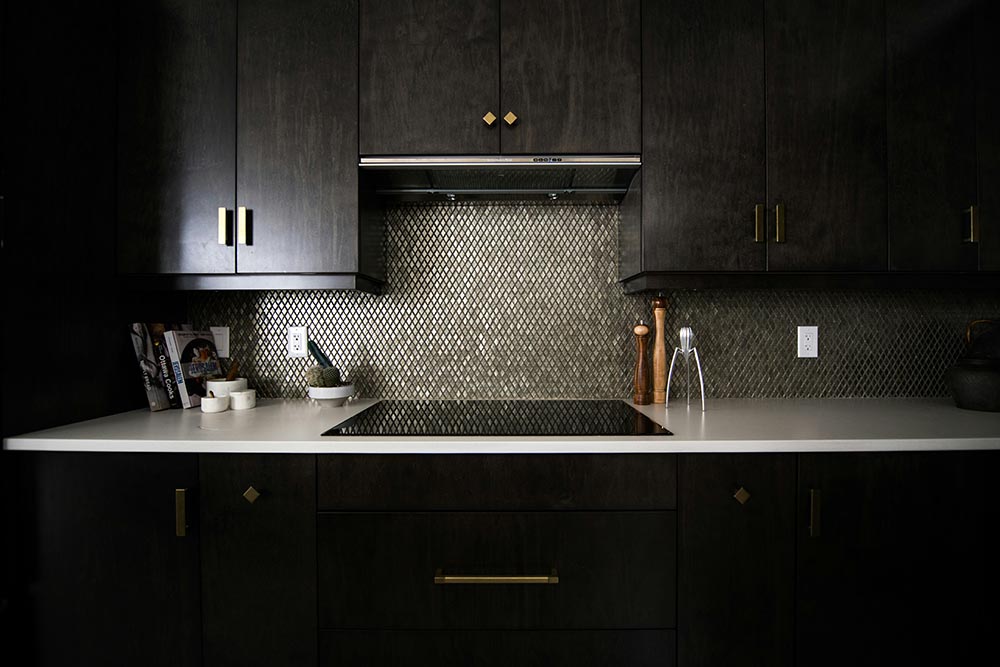
Harmonizing your backsplash with countertops and cabinetry is essential for a cohesive kitchen remodel. If counters feature strong veining or bold movement, select subdued tile to prevent visual competition. A slab backsplash in marble, quartz, or porcelain can extend countertop material upward for seamless continuity. Conversely, simple or neutral cabinetry allows patterned tiles or textured finishes to shine as a focal point. Always test samples beside counters and cabinets, since lighting, reflections, and viewing angles can dramatically affect color, contrast, and overall material perception.
Explore Texture: From Smooth to Sculptural
Texture transforms a backsplash from purely functional to visually engaging. Flat, glossy tiles are giving way to surfaces that offer depth and tactile interest. Fluted ceramics, handmade zellige, sculptural forms, and three-dimensional tiles create movement through light and shadow. These textured options also disguise fingerprints, water spots, and minor splashes — a practical advantage in busy kitchens. Consider how texture interacts with lighting, cabinetry, and countertops to avoid excess visual noise. Balanced correctly, texture adds warmth, character, and sophistication to the overall design.
Color Choices That Matter
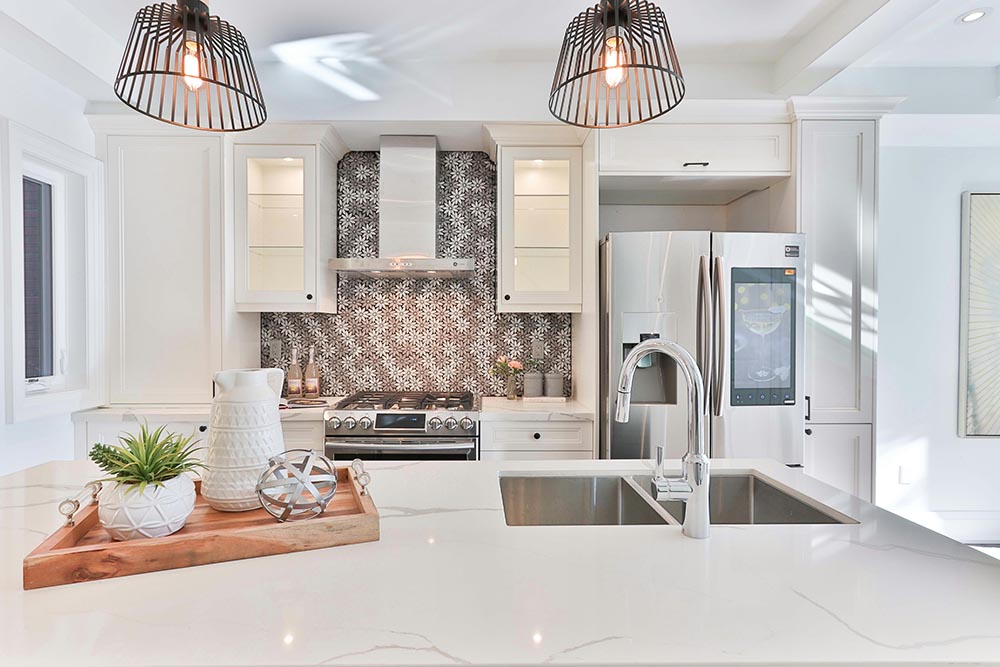
Color strongly influences the atmosphere of your kitchen remodel. Soft whites, warm grays, and earthy neutrals create timeless appeal while helping smaller spaces feel open and bright. Rich tones like navy, forest green, or terracotta add depth and drama, especially in well-lit kitchens or behind open shelving. Grout color matters too: light grout feels airy and seamless, while dark grout highlights pattern and geometry. Always review swatches and full-size samples in your actual lighting to understand how color shifts throughout the day.
Material Matters: Tile, Stone, Glass & More
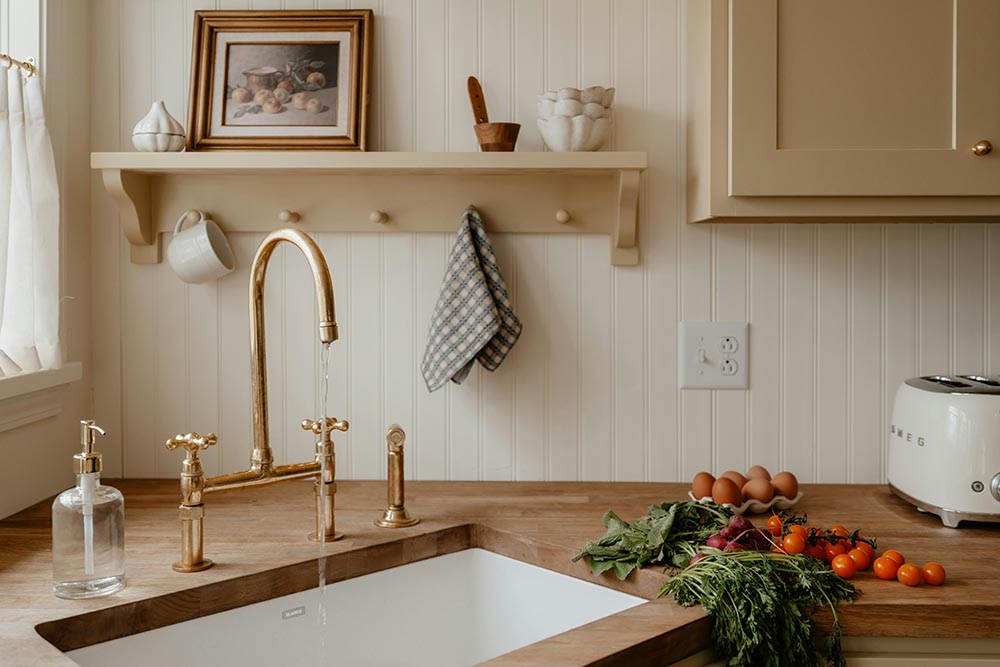
Backsplash materials vary widely, each offering distinct benefits. Ceramic and porcelain tiles are affordable, versatile, and easy to maintain, with porcelain offering added durability. Stone slabs deliver seamless elegance but may require sealing. Glass and mosaic tiles reflect light and brighten compact kitchens. Mixed materials introduce layered interest, while metallic accents like brass or copper add warmth and modern edge. Sustainability also matters increasingly, with recycled glass and eco-manufactured tiles appealing to environmentally conscious homeowners seeking beauty without compromising responsible design values.
Pattern & Layout: Horizontal, Vertical & Beyond
Tile pattern and orientation significantly influence how a kitchen feels. Horizontal subway tiles feel classic and visually widen walls, while vertical stacks draw the eye upward, enhancing height. Herringbone, chevron, and basketweave layouts add rhythm and sophistication without overpowering the space. Extending tile to the ceiling or floor creates a cohesive, intentional look rather than a decorative afterthought. Choose patterns that complement your kitchen’s scale, cabinetry style, and architectural features, ensuring movement and proportion feel balanced and thoughtfully designed.
Practical Performance: Cleaning & Durability
A backsplash must support daily life, not complicate it. Smooth surfaces clean quickly, while heavily textured or irregular tiles demand extra care. Matte finishes conceal smudges and water marks better than glossy options, though gloss reflects more light. Frequent, high-heat cooking calls for stain-resistant, durable materials compatible with standard cleaners. Consider long-term upkeep, including grout sealing, potential discoloration, and professional cleaning needs. Practical choices ensure your backsplash remains attractive, hygienic, and functional long after installation is complete.
Budgeting Wisely for Style & Longevity
Backsplash costs vary widely, so define your budget early. Ceramic tile and peel-and-stick options provide affordability with strong design potential for a kitchen remodel. Natural stone, large-format slabs, intricate mosaics, and artisan tiles elevate style but increase material and labor expenses. Installation complexity — such as vertical stacking or diagonal patterns — can significantly raise labor costs. Include expenses for quality grout, sealants, and proper preparation to protect your investment. Thoughtful budgeting balances visual impact with durability, preventing compromises that affect long-term satisfaction.
Final Touches: Lighting, Accessories & Cohesion
Once materials and colors are chosen, lighting completes the look. Under-cabinet lighting emphasizes texture, sheen, and depth, while pendants influence mood and finish perception. Accessories like shelving, hardware, and racks should coordinate with backsplash tones and materials. A successful backsplash unifies surfaces, shapes, and colors into one cohesive statement. When every element feels intentional, kitchens become both functional and expressive spaces. The best designs support daily routines while delivering lasting visual harmony and enduring, confident style.
Frequently Asked Questions
How can I increase my home’s value with a kitchen remodel?
A well-executed kitchen remodel can significantly boost your home’s resale value. Buyers are attracted to functional layouts, modern appliances, and high-quality finishes. Working with experienced kitchen remodeling pros ensures that your remodel combines style and practicality, giving you a strong return on investment.
Can I remodel my kitchen without changing the layout?
Absolutely. Many homeowners choose a cosmetic remodel, updating cabinets, countertops, appliances, flooring, and lighting while keeping the existing layout. This approach is often quicker and more budget-friendly, but still delivers a fresh, modern look.
How do I find trusted kitchen remodeling pros?
Finding reliable kitchen remodeling pros is essential to a successful kitchen remodel. At FindKitchenPros.com, we connect homeowners exclusively with vetted professionals who specialize in kitchen remodels. This ensures your project is handled by experts who understand the latest trends, quality materials, and efficient workflows.
What are the most important upgrades to focus on in a kitchen remodel?
The most impactful upgrades usually include cabinetry, countertops, lighting, and appliances. These elements shape both the look and functionality of your kitchen. Prioritizing quality in these areas ensures a beautiful, long-lasting space that suits your lifestyle and adds value to your home.
In this article

View All
Collapse
Read More
Top Cabinetry Trends
From sleek minimalist designs to smart storage solutions and sustainable materials, our latest guide reveals the top cabinetry trends shaping kitchens in 2026. Whether you’re remodeling or simply seeking inspiration, find out what’s on the rise and how to elevate your space with style and function.
Selecting Countertops
Choosing the right countertop can transform your kitchen — from timeless elegance to everyday functionality. Explore expert tips on materials, durability, maintenance, and style to help you find the perfect surface for your space and lifestyle.
Top Flooring Trends
From sustainable materials and bold patterns to high-performance surfaces for every room, discover the flooring trends that will define home design in 2026. Get inspired with the latest looks, practical tips, and expert picks to elevate your space from the ground up.
Selecting Kitchen Color
The right kitchen color sets the tone for your entire space. From warm neutrals to bold statement hues, explore expert tips on choosing colors that complement your cabinetry, countertops, lighting, and personal style—creating a kitchen you’ll love for years to come.


