This is some text inside of a div block.

How To Select Cabinetry Material
Choosing the right cabinetry material sets the foundation for both beauty and performance in your kitchen remodel. The right choice balances style, durability, and your lifestyle needs.


Understand Your Priorities
Before diving into material options, define what mattersmost for your kitchen. Are you prioritizing longevity, ease of maintenance, ora specific aesthetic? Each material brings its own strengths and trade-offs.For instance, natural wood can offer warmth and timeless appeal but demandsmore upkeep than engineered surfaces. On the other hand, laminates andthermofoil finishes are known for resilience and easy cleaning, though they maynot age as gracefully. Knowing what you value most ensures you weigh choicesnot just on looks, but on long-term satisfaction and performance.


This is some text inside of a div block.

This is some text inside of a div block.

This is some text inside of a div block.

This is some text inside of a div block.

This is some text inside of a div block.
This is some text inside of a div block.

This is some text inside of a div block.




Natural Wood: Classic and Warm
Natural wood remains a perennial favorite due to its richtexture and ability to be refinished. Species like oak, maple, cherry, andwalnut each offer distinctive grain patterns and tones. Oak tends to highlightprominent grain for a more rustic feel, while maple’s fine, uniform grain suitssleek, modern spaces. Wood’s organic character can complement both traditionaland contemporary kitchens, and stains or paints expand your palette. Keep inmind that wood can be sensitive to moisture and sunlight, so sealing and properairflow help preserve beauty over years of everyday use.
Plywood: Strength Beneath the Surface
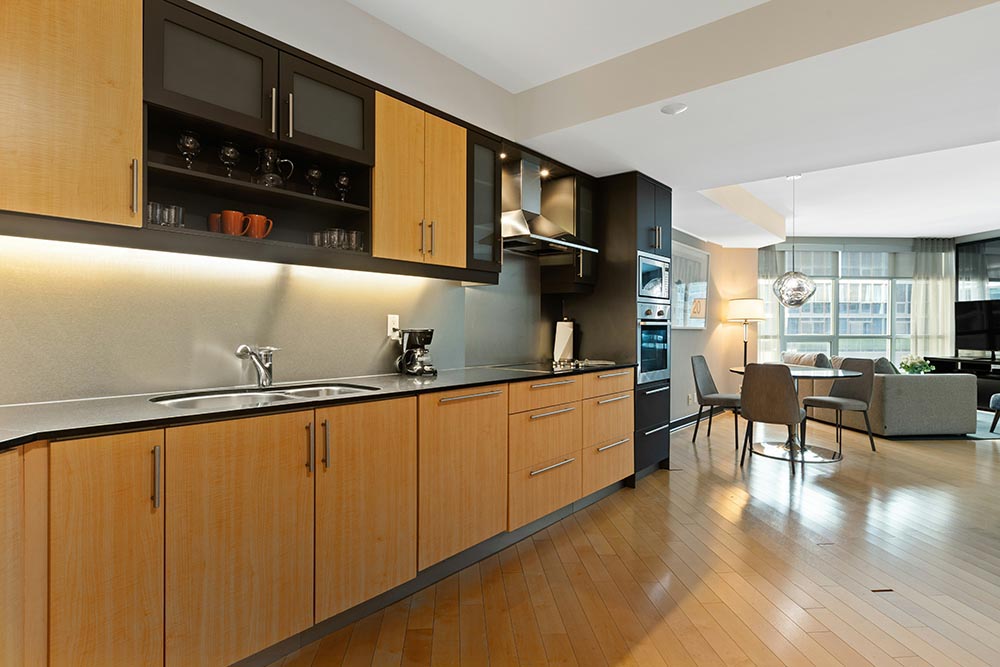
When structural integrity tops your priority list, plywoodis a standout choice for cabinet boxes and shelving. Made from layered veneers,plywood resists warping and holds fasteners securely—a key advantage inhigh-traffic kitchens. It’s often paired with decorative face frames or veneersthat mimic solid wood, giving you performance without compromising appearance.While more costly than particleboard or MDF, plywood’s durability means fewerissues down the road, making it an investment many homeowners find worthwhile.
Medium-Density Fiberboard (MDF): Smooth and Stable
MDF is engineered by compressing wood fibers with resin,creating a dense and consistent panel. This uniformity makes it ideal forpainted cabinet doors because it accepts color evenly without showing grainpatterns. MDF is less prone to splitting than solid wood, and it doesn’t haveknots that can cause irregularities. However, it can absorb water if leftexposed, so high-quality edging and finishes are essential. For those who wantcrisp, painted cabinetry with a smooth surface and clean lines, MDF often deliversexcellent results at a moderate price point.
Laminates and Thermofoil: Durable and Easy to Clean

For busy kitchens where resilience and low maintenance areat the top of the list, laminates and thermofoil are popular choices. Laminatesbond decorative layers to core panels, creating surfaces that resist stains andscratches. They’re available in a huge range of colors and wood-look patterns,so you can achieve dramatic, modern styles or classic looks with minimalupkeep. Thermofoil uses heat to fuse vinyl to an MDF core, resulting inseamless, wipe-clean surfaces that resist moisture better than bare wood. Whileboth are sturdy, they can be harder to repair if scratched or chipped, soprotective habits still matter.
Metal and Industrial Finishes: Sleek and Modern
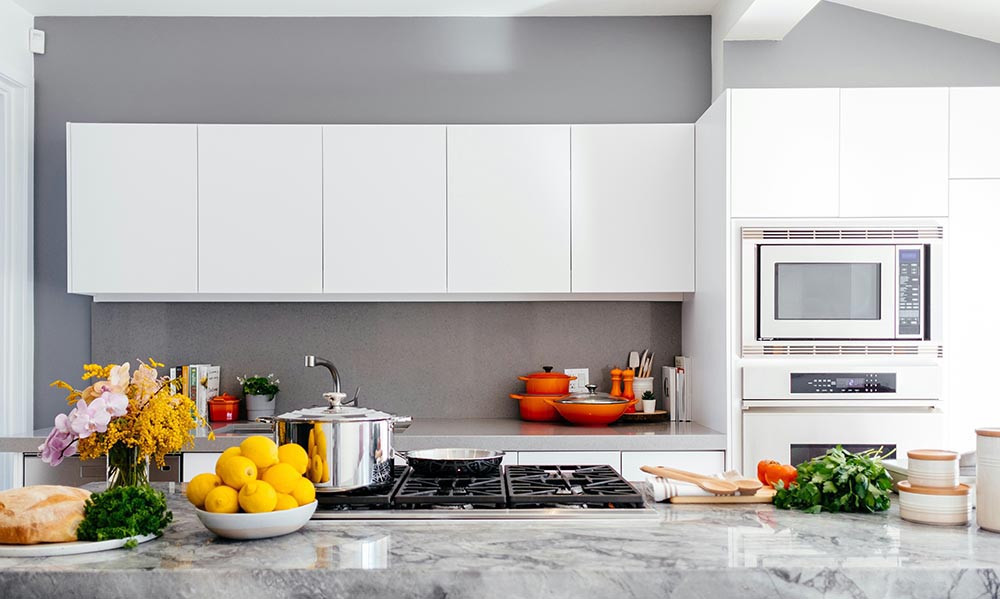
Cabinetry isn’t limited to wood and composites. Metalfronts—such as stainless steel or aluminum—offer a sleek, contemporary vibe andexceptional durability. They’re especially well-suited to minimalist orindustrial-inspired kitchen remodels, pairing beautifully with stone counters and metalaccents. Metals are resistant to heat and moisture, though they can showfingerprints and surface marks, so finishes with brushed or matte textures areoften preferred. While more niche, metal cabinetry can make a bold architecturalstatement when balanced with softer materials elsewhere in the space.
Veneers: Real Wood, Smarter Performance
Wood veneers give you the authentic look of solid timberwith added stability. Thin slices of real wood are adhered to stable cores likeplywood or MDF, delivering beautiful grain patterns at a fraction of the costof solid wood. Because veneers use less precious timber, they also tend to bemore eco-friendly. You’ll find a vast range of species and cuts—bookmatched veneers create dramatic symmetry, while straight grain looks feel moretraditional. Veneers resist warping better than solid wood, making them a smartchoice for consistent performance in varied kitchen environments.
Exotic and Sustainable Alternatives
As sustainability gains importance in kitchen remodeling ,materials like bamboo and reclaimed wood are growing in popularity. Bamboo, though technically a grass, boasts impressive strength and a distinctive linear grain that suits both modern and Asian-inspired designs. Reclaimed wood brings unmatched character, telling a story through knots, color variation, and patina. Some manufacturers also offer recycled materials that mimic wood or stone while diverting waste from landfills. When choosing sustainable options, look for certifications like FSC (Forest Stewardship Council) to ensure responsible sourcing.
Match Material to Use Zones
Open-concept living isn’t going away, but in 2026 designers are introducing flexible boundaries that let homeowners tune privacy and noise without permanent walls. Pocket doors, sliding glass panels, and accordion systems allow kitchens to connect with adjoining rooms — or separate when needed.
This trend is especially valuable for families who want to contain cooking smells or noise during gatherings while maintaining visual flow. When doors slide open, kitchens feel integrated with living spaces; when closed, they offer controlled environments for focused cooking or cleanup. The result is a kitchen layout that adapts to context and mood, reinforcing that flexibility, not rigidity, defines modern design.
Budget Wisely for Materials and Craftsmanship
Material choice is only one piece of cost planning. Quality craftsmanship dramatically affects how cabinetry performs and feels in everydaylife. Solid joinery, smooth drawer glides, soft-close hinges, and well-fittedpanels elevate both experience and longevity. Sometimes spending a bit more onfiner hardware and finishing techniques pays off in years of trouble-free use.Set your budget with clear priorities—allocate more to materials where durability and look matter most, and consider simpler options for less visible components. A balanced approach helps you achieve a kitchen that feelscohesive, functional, and beautiful without unnecessary cost.
Frequently Asked Questions
How can I increase my home’s value with a kitchen remodel?
A well-executed kitchen remodel can significantly boost your home’s resale value. Buyers are attracted to functional layouts, modern appliances, and high-quality finishes. Working with experienced kitchen remodeling pros ensures that your remodel combines style and practicality, giving you a strong return on investment.
Can I remodel my kitchen without changing the layout?
Absolutely. Many homeowners choose a cosmetic remodel, updating cabinets, countertops, appliances, flooring, and lighting while keeping the existing layout. This approach is often quicker and more budget-friendly, but still delivers a fresh, modern look.
How do I find trusted kitchen remodeling pros?
Finding reliable kitchen remodeling pros is essential to a successful kitchen remodel. At FindKitchenPros.com, we connect homeowners exclusively with vetted professionals who specialize in kitchen remodels. This ensures your project is handled by experts who understand the latest trends, quality materials, and efficient workflows.
What are the most important upgrades to focus on in a kitchen remodel?
The most impactful upgrades usually include cabinetry, countertops, lighting, and appliances. These elements shape both the look and functionality of your kitchen. Prioritizing quality in these areas ensures a beautiful, long-lasting space that suits your lifestyle and adds value to your home.
In this article

View All
Collapse
Read More
Top Cabinetry Trends
From sleek minimalist designs to smart storage solutions and sustainable materials, our latest guide reveals the top cabinetry trends shaping kitchens in 2026. Whether you’re remodeling or simply seeking inspiration, find out what’s on the rise and how to elevate your space with style and function.
Selecting Countertops
Choosing the right countertop can transform your kitchen — from timeless elegance to everyday functionality. Explore expert tips on materials, durability, maintenance, and style to help you find the perfect surface for your space and lifestyle.
Top Flooring Trends
From sustainable materials and bold patterns to high-performance surfaces for every room, discover the flooring trends that will define home design in 2026. Get inspired with the latest looks, practical tips, and expert picks to elevate your space from the ground up.
Selecting Kitchen Color
The right kitchen color sets the tone for your entire space. From warm neutrals to bold statement hues, explore expert tips on choosing colors that complement your cabinetry, countertops, lighting, and personal style—creating a kitchen you’ll love for years to come.


