This is some text inside of a div block.

Selecting Kitchen Flooring
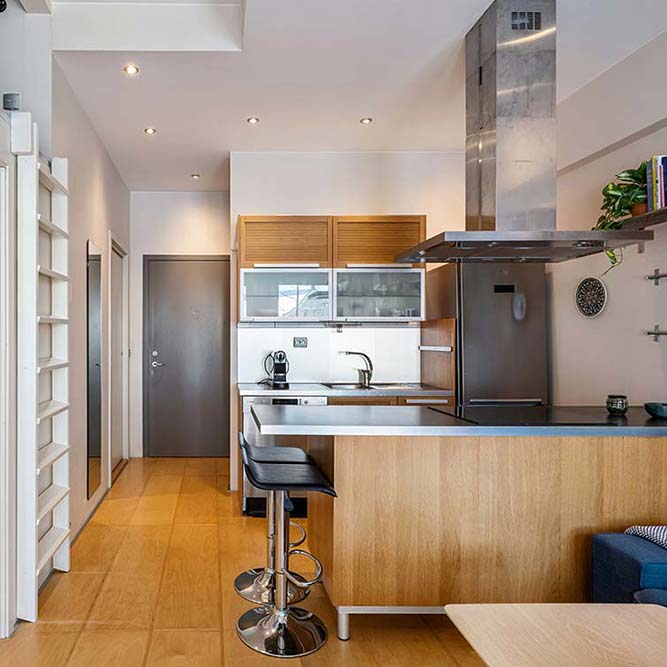
Selecting kitchen flooring requires thoughtful consideration of materials, durability, and style to match your lifestyle. This guide explores choices, tips, and what to know before choosing new floors for kitchens.


Assessing Kitchen Needs
Understanding your kitchen’s needs is essential when selecting the right flooring. Consider how much foot traffic and spills your space endures daily, and think about how easy it will be to keep floors looking clean. Durable materials can resist scratches and stains while providing long lasting performance in busy environments. Pay attention to texture and color, because those features influence how dirt and wear appear over time. A well chosen floor also complements cabinetry, counters, and lighting to support a cohesive design. Practical concerns like maintenance and repair are as important as aesthetic appeal, especially if you plan to keep these floors for years. Your choice should balance beauty and usability without overwhelming the overall kitchen atmosphere and ensure every part feels organized and purposeful for living.


This is some text inside of a div block.

This is some text inside of a div block.

This is some text inside of a div block.

This is some text inside of a div block.

This is some text inside of a div block.
This is some text inside of a div block.

This is some text inside of a div block.




Material Options
Popular flooring options vary widely in material and performance characteristics, and each has strengths worth considering before you make a final decision. Hardwoods offer timeless beauty and can be refinished multiple times, but they require careful protection from water and moisture to avoid damage. Engineered woods bring similar warmth with added resistance to humidity changes, making them a sensible option for kitchens that see daily use. Tile flooring comes in ceramic, porcelain, and natural stone, and each type offers distinct looks and maintenance needs for your home. Vinyl planks and luxury options mimic wood or stone while remaining forgiving underfoot and simple to clean after spills. Cork and bamboo are renewable choices that blend sustainability with comfort while weighing cost and appearance factors for informed selection today.
Moisture Considerations
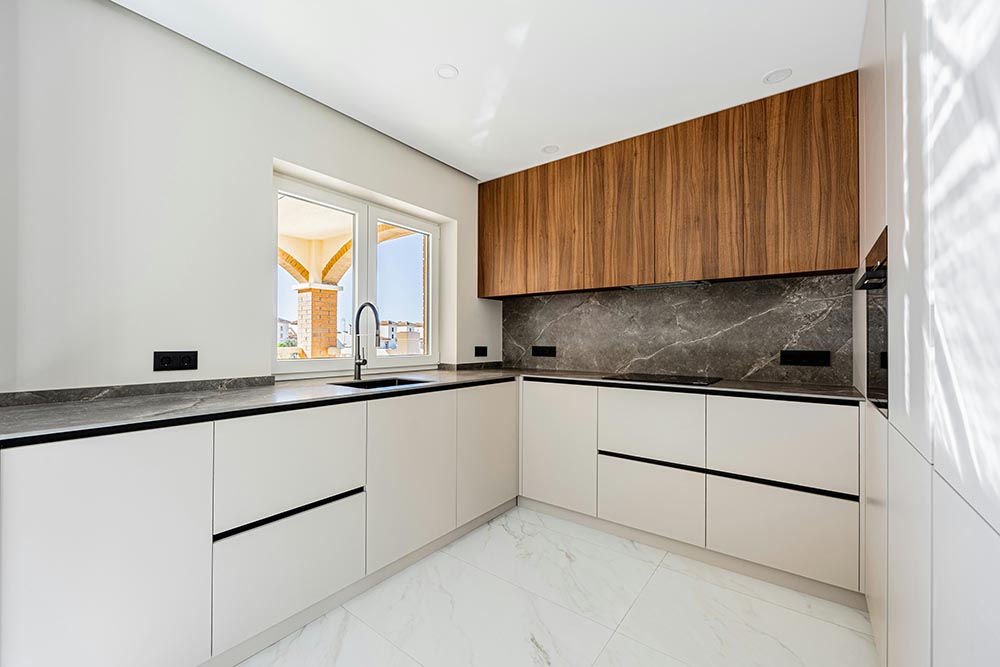
Moisture and water exposure rank among the biggest concerns when choosing kitchen flooring, because active cooking spaces often encounter splashes and spills throughout daily life. Some materials stand up to water better than others, and understanding how each product handles moisture will help you avoid costly problems later on. Porcelain tile resists water exceptionally well and works in kitchens that see heavy use, though grout must be sealed and maintained to prevent staining. Waterproof luxury vinyl planks and tiles combine resilience with style, and many homeowners appreciate how quickly they recover from spills with minimum fuss. Engineered wood with moisture resistant cores also improves resistance compared to solid hardwood, though it still benefits from prompt cleanup during wet events. Always follow manufacturer care guidelines to maintain quality.
Design Compatibility
Kitchens with varied design styles benefit from flooring that accentuates the overall aesthetic without clashing with key elements. Rustic themes pair beautifully with wide plank wood floors that show natural grain and warm tones, adding depth and character to lively spaces. Contemporary kitchen remodels often favor sleek materials like large format tile or polished concrete that amplify clean lines and minimalistic layouts. Transitional designs blend traditional and modern elements, and flooring that bridges both styles helps unify the space. Mixing materials across zones can create visual interest and signal functional shifts between prep, dining, and living areas. When considering pattern, scale, and color, ensure the floor choices echo cabinetry and counter finishes to prevent visual discord. A thoughtful design approach turns flooring into an integral part of your narrative.
Comfort Underfoot
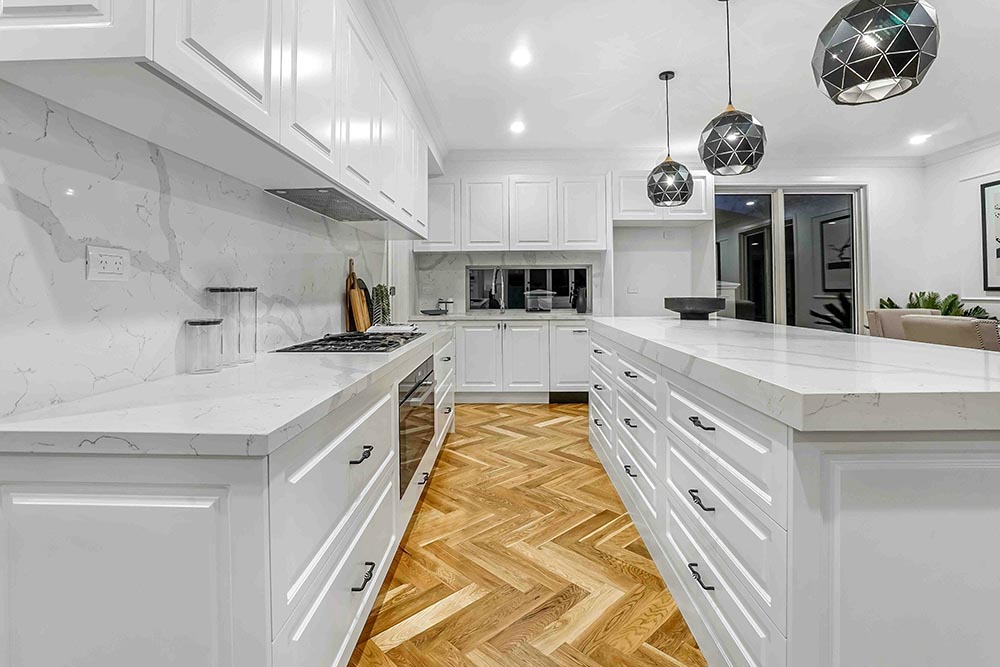
The comfort of your flooring underfoot affects how inviting your kitchen feels during long cooking sessions or family gatherings. Softer surfaces like cork or cushioned vinyl reduce fatigue and add warmth beneath your feet, especially during extended meal preparation or cleanup. Comfort also influences acoustics, as hard surfaces can reflect sound and make a busy kitchen feel louder and more chaotic. Pairing a slightly softer floor with area rugs or runners can balance ease of movement with style. Think about how long you stand while cooking or washing dishes, and choose a floor that supports comfort without skimping on durability. Ultimately, a kitchen floor should make daily routines more pleasant while fitting seamlessly into your broader design and lifestyle goals and elevate moment spent in this space.
Installation and Subfloor
Installation quality and the condition of your subfloor play major roles in how well kitchen flooring performs over time. Before laying new planks or tiles, inspect the subfloor for levelness, moisture issues, and structural soundness, because imperfections can lead to cracking, uneven wear, or loose pieces after installation. Professional installers use appropriate underlayment materials to cushion floors and to manage moisture transmission from below, particularly in basement adjacent kitchens or those above unfinished spaces. Preparing a stable base also reduces noise and improves long term durability. Whether you choose a do it yourself approach or hire experienced installers, take time to understand the recommended preparation steps. Solid groundwork ensures your kitchen flooring not only looks great initially but continues to perform reliably for many years ahead effortlessly.
Budgeting and Cost
Cost considerations extend beyond the initial price of materials and installation, because long term value depends on performance and maintenance requirements. Some premium flooring options cost more upfront but deliver decades of service with minimal wear, while budget conscious choices may require replacement sooner and incur additional expenses. Factor in the cost of underlayment, transition strips, and any needed tools or professional labor, because these often exceed the price of the flooring itself. Warranty coverage and service agreements also vary by manufacturer and installer, so review terms before committing. Investing wisely requires balancing initial outlay with expected lifespan and care costs over time, ensuring the flooring you choose remains functional and visually appealing without surprising financial burdens while keeping your budget goals realistic and protecting future value.
Trends and Innovation
Trends and innovations in kitchen flooring reflect broader shifts in design preferences and material technology, giving homeowners more choice than ever before. Many people seek floors that mimic natural materials like wood and stone while offering enhanced durability and easier care than traditional products. Textured surfaces and matte finishes add depth and hide wear while complementing contemporary and classic styles alike. Eco friendly innovations include recycled content and responsibly sourced materials, aligning aesthetic appeal with environmental considerations. Warm tones and mixed patterns also appear frequently in design galleries, helping connect flooring with cabinetry and counters for cohesive spaces. As manufacturing evolves, expect improved scratch resistance, better waterproof performance, and options that integrate seamlessly with radiant heating systems for added comfort and efficiency in your kitchen and innovation.
Maintenance Tips
Ongoing maintenance practices keep kitchen flooring looking fresh and extend the useful life of your investment, so adopt a routine that suits your material choice and daily habits. Sweep or dry mop regularly to remove grit and debris, because abrasive particles can dull finishes and create micro scratches over time. For wet cleaning, use products recommended by the flooring manufacturer, avoiding harsh chemicals that strip protective layers or discolor surfaces. Promptly blot spills to prevent stains and moisture penetration, and place mats at entry points to reduce outside dirt tracked indoors. Periodically check for signs of wear or damage, addressing issues early to prevent costly repairs later. With a consistent care plan, your floors will maintain their beauty and function for many years to come in any.
Final Selection Advice
Selecting the right kitchen flooring combines practical research with personal taste, and a clear vision can guide you toward choices that satisfy both form and function. Start by listing your priorities, including durability, comfort, maintenance needs, and how the flooring will integrate with existing colors and materials. Visit showrooms or request samples to see how different options look under your kitchen lighting and alongside cabinetry and counters. Ask questions about installation timelines, warranty coverage, and anticipated lifecycle so you avoid surprises once work begins. Don’t overlook supplier and installer reviews to ensure a smooth process from start to finish. By planning ahead and making informed decisions, you create a foundation that supports daily life and enhances your kitchen for years with flooring choices that truly reflect you.
Frequently Asked Questions
How can I increase my home’s value with a kitchen remodel?
A well-executed kitchen remodel can significantly boost your home’s resale value. Buyers are attracted to functional layouts, modern appliances, and high-quality finishes. Working with experienced kitchen remodeling pros ensures that your remodel combines style and practicality, giving you a strong return on investment.
Can I remodel my kitchen without changing the layout?
Absolutely. Many homeowners choose a cosmetic remodel, updating cabinets, countertops, appliances, flooring, and lighting while keeping the existing layout. This approach is often quicker and more budget-friendly, but still delivers a fresh, modern look.
How do I find trusted kitchen remodeling pros?
Finding reliable kitchen remodeling pros is essential to a successful kitchen remodel. At FindKitchenPros.com, we connect homeowners exclusively with vetted professionals who specialize in kitchen remodels. This ensures your project is handled by experts who understand the latest trends, quality materials, and efficient workflows.
What are the most important upgrades to focus on in a kitchen remodel?
The most impactful upgrades usually include cabinetry, countertops, lighting, and appliances. These elements shape both the look and functionality of your kitchen. Prioritizing quality in these areas ensures a beautiful, long-lasting space that suits your lifestyle and adds value to your home.

Read More
Top Cabinetry Trends
From sleek minimalist designs to smart storage solutions and sustainable materials, our latest guide reveals the top cabinetry trends shaping kitchens in 2026. Whether you’re remodeling or simply seeking inspiration, find out what’s on the rise and how to elevate your space with style and function.
Selecting Countertops
Choosing the right countertop can transform your kitchen — from timeless elegance to everyday functionality. Explore expert tips on materials, durability, maintenance, and style to help you find the perfect surface for your space and lifestyle.
Top Flooring Trends
From sustainable materials and bold patterns to high-performance surfaces for every room, discover the flooring trends that will define home design in 2026. Get inspired with the latest looks, practical tips, and expert picks to elevate your space from the ground up.
Selecting Kitchen Color
The right kitchen color sets the tone for your entire space. From warm neutrals to bold statement hues, explore expert tips on choosing colors that complement your cabinetry, countertops, lighting, and personal style—creating a kitchen you’ll love for years to come.


