This is some text inside of a div block.

Selecting Kitchen Island Design
Selecting Kitchen Island Design is essential when planning a kitchen remodel that maximizes usefulness and beauty in modern homes. A successful kitchen remodeling project begins with thoughtful design choices that support style, function, and daily life.


Island Placement and Proportion
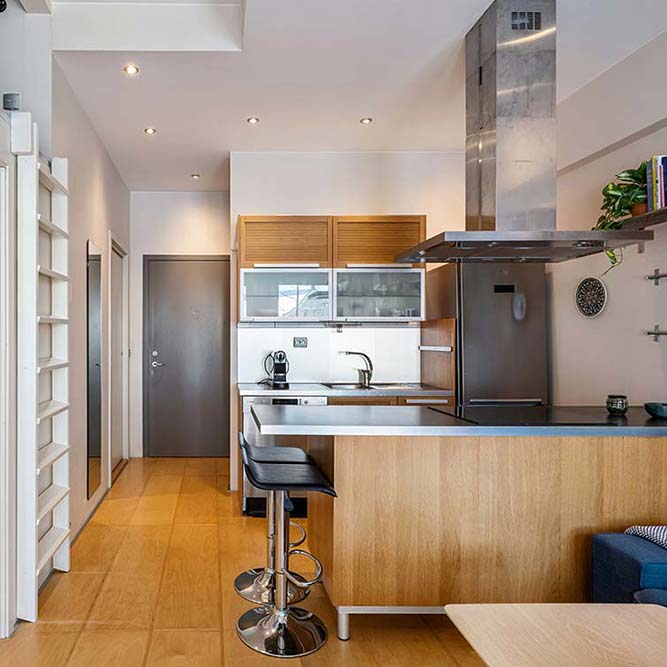
When planning a kitchen remodel, the decision around your island’s design sets the stage for how the entire space functions. A kitchen island often becomes the heart of the home, where meal prep, casual dining, and social hub functions meet, and its placement influences workflow and traffic flow during everyday tasks. Selecting Kitchen Island Design requires consideration of dimensions, circulation space around the island, and how it relates to major appliances such as the range and sink. Thoughtful kitchen remodeling ensures that the island supports multiple activities without obstructing movement. Proportion matters; an oversized island can overwhelm a small footprint, while an undersized island may feel insignificant. Choosing materials that harmonize with cabinetry, counters, and flooring helps create an integrated aesthetic that elevates the overall kitchen design.


This is some text inside of a div block.

This is some text inside of a div block.

This is some text inside of a div block.

This is some text inside of a div block.

This is some text inside of a div block.
This is some text inside of a div block.

This is some text inside of a div block.




Multifunctional Island Uses
In many kitchen remodeling plans, the island is more than a surface—it’s a multifunctional centerpiece. Families increasingly look for islands that combine prep space with storage, seating, and hidden compartments for small appliances. Selecting Kitchen Island Design begins with evaluating how you use your kitchen daily, such as who cooks, entertains, or eats there, and whether the island should support dining zones or homework stations. Thoughtful kitchen remodelers integrate outlets, USB ports, and lighting into the island to ensure it meets modern needs. Materials play an important role, and combining textures—like a stone countertop with wood or painted cabinetry—creates visual interest. Thoughtful finishes can also tie in with other design elements, making the island feel like a cohesive part of the kitchen rather than an afterthought.
Island Lighting Considerations
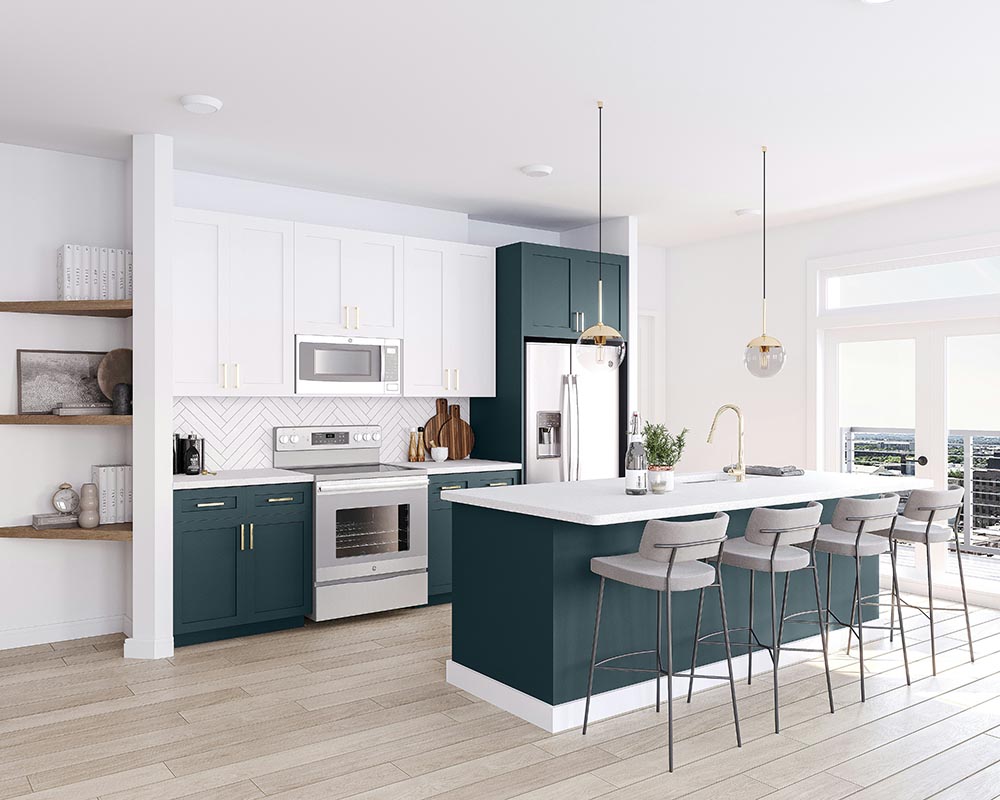
When approaching a kitchen remodel, lighting around your island impacts both ambiance and usability. Ambient lighting above the island should provide even illumination for tasks, while accent lighting highlights design details and creates warmth. Selecting Kitchen Island Design includes planning pendant lights at the right height and spacing for both style and function. A kitchen remodeling professional can help determine how fixtures complement the architectural style and other lighting zones, like under-cabinet lights or recessed ceiling lights. Task-focused illumination ensures that food prep, cleanup, and casual dining happen safely and comfortably. Additionally, dimmer switches allow flexibility for different activities, transitioning from early morning coffee to evening gatherings. Selecting lighting that reinforces both task needs and design aesthetics elevates your island from a simple work surface to a vibrant, welcoming gathering spot.
Maximizing Island Storage
Storage solutions are central when you plan your kitchen remodel, and selecting the right kitchen island design can dramatically increase the room’s organizational capacity. Deep drawers, pull-out trays, and specialized compartments within the island help keep essentials within reach while minimizing clutter on countertops. Kitchen remodeling projects today often include built-in recycling centers, spice racks, or tray dividers to streamline daily routines. The island can also accommodate appliance garages or concealed trash bins, maintaining a tidy appearance. When considering seating, choose designs that allow knee space without sacrificing too much storage volume. Balancing comfortable overhangs for stools with functional cabinetry beneath ensures the island remains both inviting and efficient. Careful planning around storage maximizes value and enhances every part of your kitchen remodeling journey.
Choosing Island Countertops
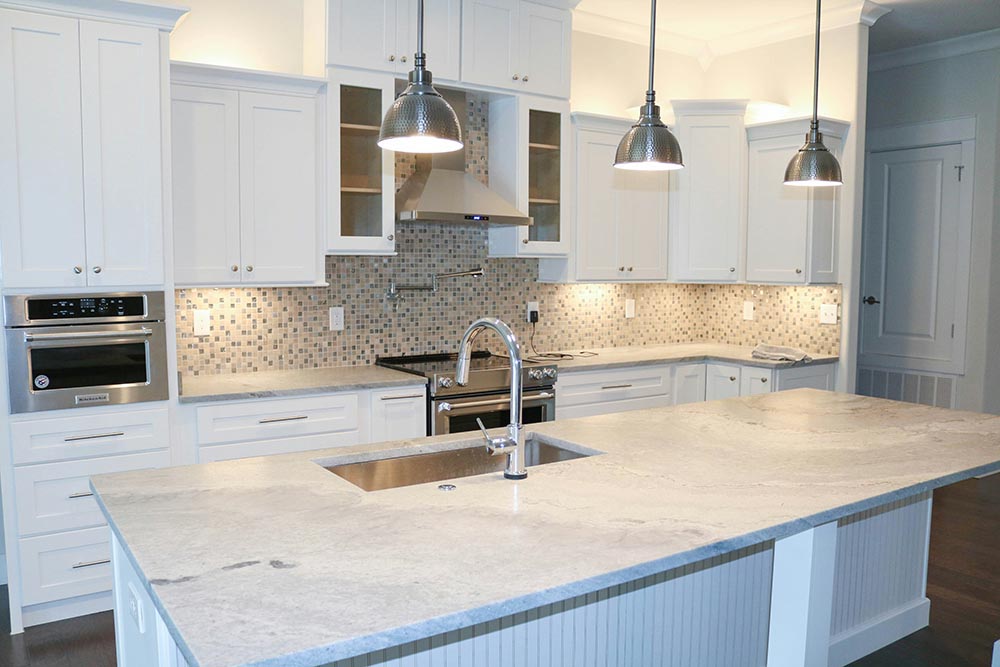
The choice of countertop material has a significant influence on both performance and aesthetics when selecting kitchen island design. Hard, durable materials like quartz or engineered stone stand up well to daily wear and tear, while also offering a wide range of colors and patterns to suit your kitchen remodel style. Some homeowners gravitate toward dramatic veining or waterfall edges that cascade down the island’s sides, creating a bold visual statement. Natural stone and composite materials each have their own maintenance considerations, and working with a kitchen remodeling expert helps you weigh beauty against longevity. Surfaces should resist scratches, stains, and heat exposure since islands often see heavy use. Coordinating countertops with backsplash choices and cabinetry tones ensures a cohesive look throughout the kitchen remodeling process without visual conflict.
Island Seating Design
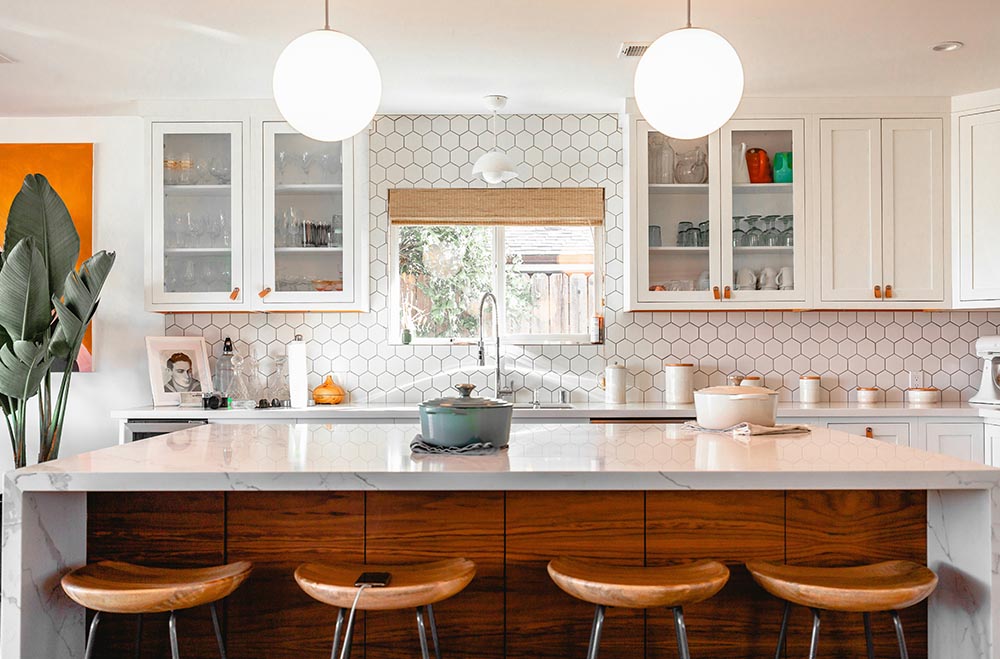
Seating is a key aspect of selecting kitchen island design that blends comfort with practicality. Islands that incorporate overhangs for bar stools create casual dining areas where family members can gather during meal prep or guests can socialize during gatherings. When planning your kitchen remodel, consider stool height, footrest space, and circulation behind seated areas to maintain clear pathways. Designers often recommend leaving at least 24 to 30 inches of width per seat to ensure comfort. Integrated bench seating with lower levels can create cozy nooks for conversation or quick meals. Flexibility in seating allows your island to adapt to different scenarios, from weekday breakfasts to weekend entertaining. Choosing seating that complements the overall kitchen remodeling style reinforces both cohesion and comfort in your design.
Integrated Island Appliances
Appliances integrated into kitchen islands are becoming increasingly popular in modern kitchen remodeling plans, and selecting kitchen island design with this in mind adds efficiency to your workspace. Placing a secondary sink, wine fridge, or cooktop within the island allows for simultaneous tasks without redundant trips across the kitchen. When planning to incorporate appliances, ensure ventilation, plumbing, and electrical needs are addressed early in the project. A well-designed island can serve as a secondary prep zone for large meals or social events while maintaining visual balance. Some homeowners even include dishwashers or under-counter refrigeration for maximum convenience. Collaborating with kitchen remodeling professionals ensures that these integrations are both code-compliant and harmonious with the rest of the kitchen design, supporting fluid workflows and dependable performance.
Island Color and Finish Choices
Color and finish choices play a pivotal role when selecting kitchen island design that complements your broader kitchen remodel vision. Bold hues can make the island a focal point, contrasting with neutral cabinets or countertops to create a signature look. Earthy tones like deep greens and muted blues have gained traction in kitchen remodeling trends, providing warmth and sophistication. Alternatively, matching the island to surrounding cabinetry produces a streamlined, cohesive aesthetic. Hardware finishes—such as matte black, brushed brass, or polished chrome—further reinforce the design language. When mixing materials, balance is key: a wood-finished island base with a stone top blends natural textures and modern elegance. Thoughtful coordination of color and materials ensures the island enhances rather than competes with other design elements in the kitchen remodel.
Island Flow and Function
Functionality and flow must guide your choice when selecting kitchen island design for a successful kitchen remodel that meets everyday needs. Evaluate how people naturally move through the space, where prep work happens, and how occupants interact during busy times of day. Position the island to support efficient movement between sinks, cooktops, and refrigeration, making sure there’s ample clearance around all sides. Islands placed too close to traffic patterns can create bottlenecks, while islands too far from key work zones can feel disconnected from kitchen activity. Kitchen remodeling experts often recommend at least 42 to 48 inches of walkway clearance around the island to ensure comfort. Considering ergonomics alongside design preferences ensures that your island enhances workflow and supports a functional, inviting kitchen environment.
Budget Planning for Island Design
Budget planning is an essential component when selecting kitchen island design as part of a kitchen remodel, and setting realistic expectations early helps guide material and feature choices. Islands can range from modest surfaces with basic cabinetry to elaborate multifunctional centers with integrated refrigeration, lighting, and premium countertops. Knowing how much you intend to invest allows you to prioritize elements that matter most, such as quality materials or built-in technology, while deferring less-critical upgrades. A kitchen remodeling professional can help you identify cost drivers, offer value engineering alternatives, and suggest solutions that deliver visual impact without overextending your budget. When budget considerations align with design goals, you create a kitchen island that supports usage patterns and stylistic preferences. Thoughtful planning ensures your island remains a lasting, functional centerpiece of your remodeled kitchen.
Frequently Asked Questions
How can I increase my home’s value with a kitchen remodel?
A well-executed kitchen remodel can significantly boost your home’s resale value. Buyers are attracted to functional layouts, modern appliances, and high-quality finishes. Working with experienced kitchen remodeling pros ensures that your remodel combines style and practicality, giving you a strong return on investment.
Can I remodel my kitchen without changing the layout?
Absolutely. Many homeowners choose a cosmetic remodel, updating cabinets, countertops, appliances, flooring, and lighting while keeping the existing layout. This approach is often quicker and more budget-friendly, but still delivers a fresh, modern look.
How do I find trusted kitchen remodeling pros?
Finding reliable kitchen remodeling pros is essential to a successful kitchen remodel. At FindKitchenPros.com, we connect homeowners exclusively with vetted professionals who specialize in kitchen remodels. This ensures your project is handled by experts who understand the latest trends, quality materials, and efficient workflows.
What are the most important upgrades to focus on in a kitchen remodel?
The most impactful upgrades usually include cabinetry, countertops, lighting, and appliances. These elements shape both the look and functionality of your kitchen. Prioritizing quality in these areas ensures a beautiful, long-lasting space that suits your lifestyle and adds value to your home.
In this article

View All
Collapse
Read More
Top Cabinetry Trends
From sleek minimalist designs to smart storage solutions and sustainable materials, our latest guide reveals the top cabinetry trends shaping kitchens in 2026. Whether you’re remodeling or simply seeking inspiration, find out what’s on the rise and how to elevate your space with style and function.
Selecting Countertops
Choosing the right countertop can transform your kitchen — from timeless elegance to everyday functionality. Explore expert tips on materials, durability, maintenance, and style to help you find the perfect surface for your space and lifestyle.
Top Flooring Trends
From sustainable materials and bold patterns to high-performance surfaces for every room, discover the flooring trends that will define home design in 2026. Get inspired with the latest looks, practical tips, and expert picks to elevate your space from the ground up.
Selecting Kitchen Color
The right kitchen color sets the tone for your entire space. From warm neutrals to bold statement hues, explore expert tips on choosing colors that complement your cabinetry, countertops, lighting, and personal style—creating a kitchen you’ll love for years to come.


