This is some text inside of a div block.

Selecting Shelving Material
Selecting the right shelving material is a critical part of any kitchen remodel, influencing both function and appearance. Kitchen remodeling decisions today balance durability, style, and long-term performance more carefully than ever.


Wood Shelving Options
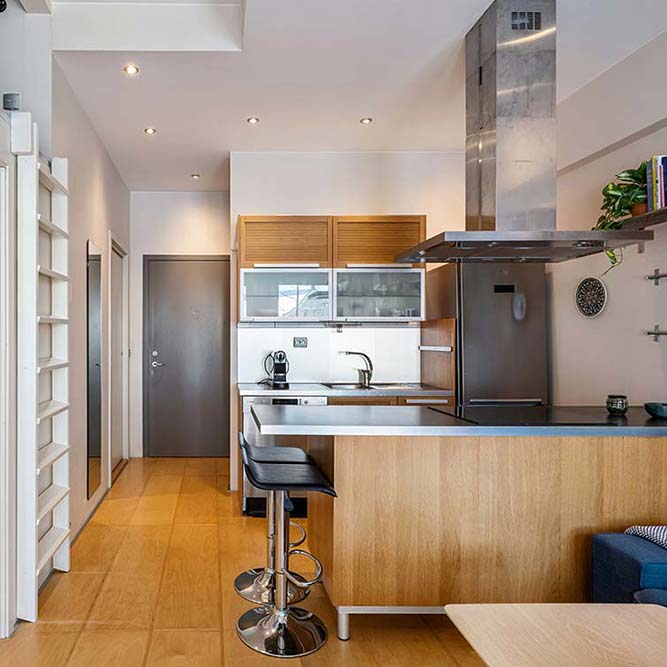
Wood shelving remains one of the most popular choices in a kitchen remodel due to its warmth, versatility, and timeless appeal. Solid wood options such as oak, maple, and walnut provide strength while allowing for staining or painting to match evolving kitchen remodeling styles. Engineered wood offers a more budget-friendly alternative while still delivering consistent performance. When selecting wood shelving, homeowners should consider moisture exposure, weight capacity, and maintenance needs. Sealed finishes help protect against warping and staining in busy kitchens. Wood shelving works well in both open and closed designs, making it adaptable to traditional and modern layouts. A thoughtful kitchen remodel often uses wood shelving to create balance between practicality and visual comfort.


This is some text inside of a div block.

This is some text inside of a div block.

This is some text inside of a div block.

This is some text inside of a div block.

This is some text inside of a div block.
This is some text inside of a div block.

This is some text inside of a div block.




Metal Shelving Choices
Metal shelving has gained attention in modern kitchen remodeling for its durability and clean, industrial-inspired look. Stainless steel and powder-coated steel are especially popular due to their resistance to heat, moisture, and daily wear. In a kitchen remodel, metal shelving works well for homeowners who prioritize strength and easy maintenance. These shelves can support heavy cookware and appliances without sagging over time. Metal also pairs nicely with wood or stone elements, creating contrast within the space. While metal shelving may feel cooler visually, it contributes to a sleek and organized aesthetic. Selecting metal shelving allows kitchen remodeling projects to lean into contemporary design while maintaining long-lasting performance under frequent use.
Glass Shelving Applications

Glass shelving offers a refined and open feel, making it a distinctive choice in a kitchen remodel focused on light and visibility. Tempered glass shelves provide strength while maintaining a clean, minimal appearance that complements modern kitchen remodeling styles. Glass allows light to pass through, helping smaller kitchens feel more spacious and airy. These shelves work best for displaying dishware or decorative items rather than heavy cookware. Proper installation and thickness selection are essential to ensure safety and durability. Glass shelving requires regular cleaning to maintain clarity, but many homeowners find the visual payoff worthwhile. Incorporating glass shelving into a kitchen remodel can elevate the design while highlighting carefully curated items.
Composite Shelving Materials
Composite shelving materials combine practicality and affordability, making them a smart option for many kitchen remodeling projects. These materials often include layered wood fibers or recycled components engineered for strength and consistency. In a kitchen remodel, composite shelves offer resistance to warping and cracking while maintaining uniform appearance. They are commonly finished with laminates or veneers to mimic natural materials. Composite shelving works well in utility-focused areas such as pantries or secondary storage zones. While they may lack the organic feel of solid wood, composites provide dependable performance and easy maintenance. Choosing composite shelving allows kitchen remodeling plans to stay budget-conscious while still achieving reliable functionality and a polished look.
Open Versus Closed Shelving
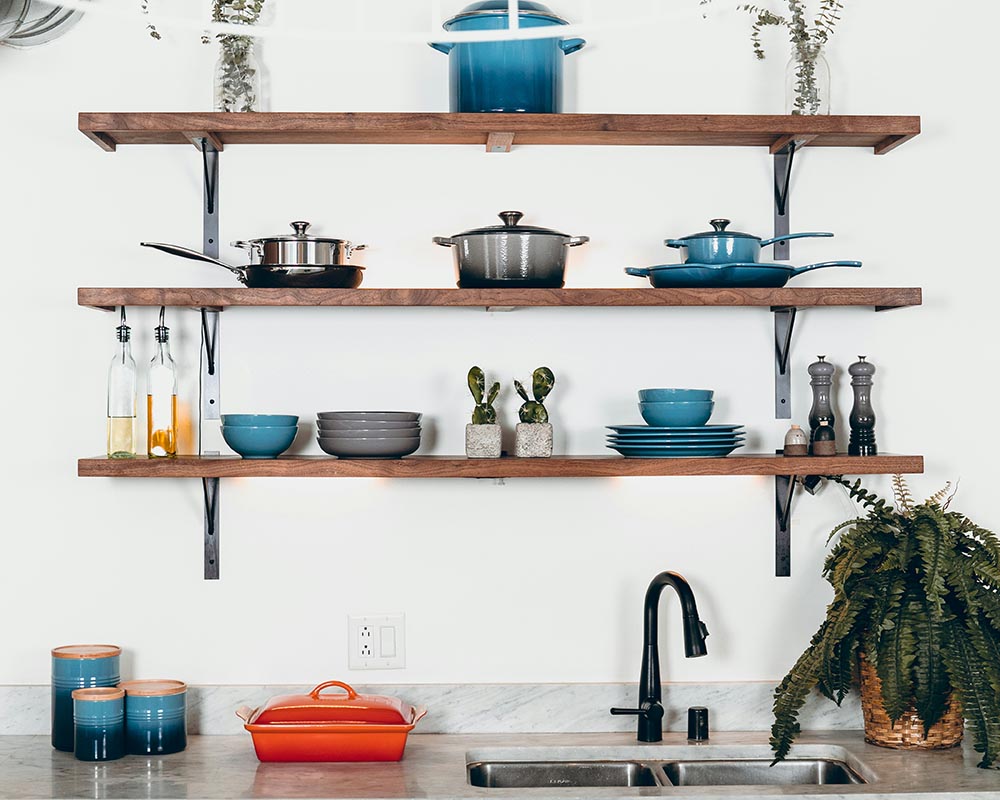
Deciding between open and closed shelving is a major consideration during a kitchen remodel, as it affects both material selection and daily use. Open shelving highlights materials like wood, metal, or glass, making durability and appearance equally important. Closed shelving conceals storage while protecting materials from grease and dust. In kitchen remodeling, open shelves often require sturdier materials and stronger mounting systems due to constant exposure. Closed shelving offers flexibility in material choice since surfaces are less visible. Many kitchen remodel designs combine both approaches for balance. Understanding how shelving will be used daily helps determine the best materials for long-term satisfaction and functionality within the space.
Weight Capacity Considerations
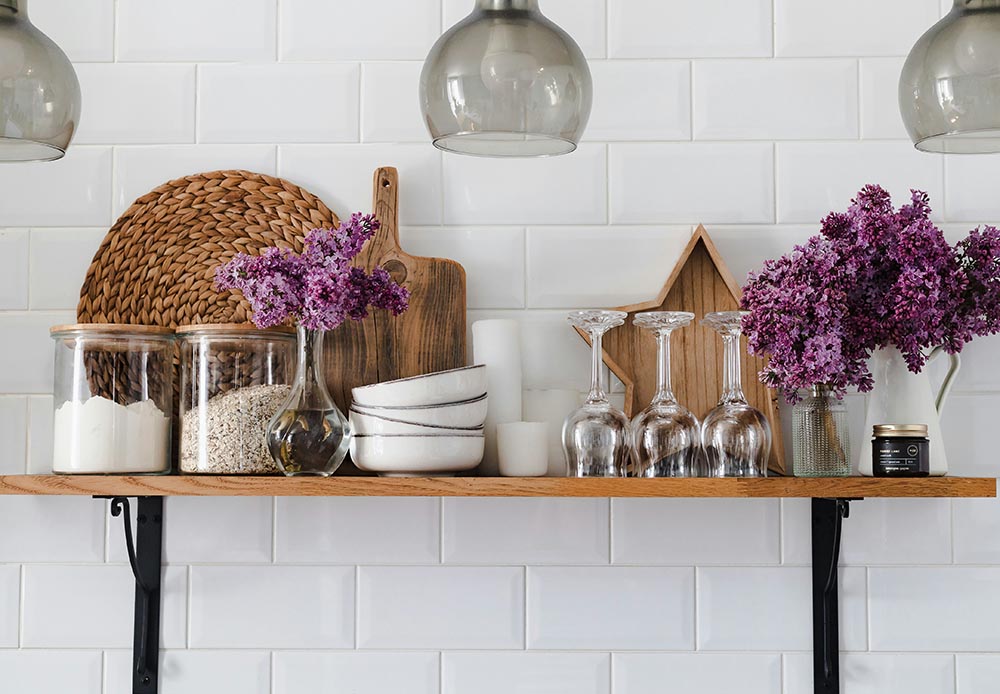
Weight capacity plays a crucial role when selecting shelving materials for a kitchen remodel, especially in high-use storage areas. Materials vary significantly in how much weight they can safely support. Solid wood and metal shelves generally offer higher load capacity compared to glass or composite options. In kitchen remodeling, underestimating weight requirements can lead to sagging or structural issues over time. Proper brackets, anchors, and spacing are just as important as the shelf material itself. Homeowners should consider what items will be stored regularly, from cookware to appliances. Choosing shelving materials with adequate weight tolerance ensures safety, longevity, and confidence in everyday kitchen use.
Maintenance and Longevity
Maintenance requirements should influence shelving material choices during any kitchen remodel, as kitchens experience constant exposure to heat, moisture, and spills. Wood shelving may require periodic resealing, while metal shelves are often easier to clean and maintain. Glass shelving demands frequent wiping to prevent smudges and fingerprints. In kitchen remodeling, selecting materials that align with lifestyle and cleaning preferences helps reduce long-term upkeep stress. Durability is equally important, as shelving should withstand years of use without degrading. Materials that resist moisture and temperature changes tend to perform better in active kitchens. A well-planned kitchen remodel prioritizes shelving materials that offer lasting performance with manageable maintenance demands.
Style and Design Compatibility
Shelving materials should complement the overall design direction of a kitchen remodel to create a cohesive and intentional look. Rustic kitchens often favor natural wood shelving, while contemporary spaces lean toward metal or glass options. In kitchen remodeling, the shelving material can either blend seamlessly with cabinetry or act as a visual accent. Color, texture, and finish all contribute to how shelving integrates into the space. Coordinating shelving with countertops, hardware, and lighting enhances visual harmony. Selecting the right material ensures shelving supports the design rather than distracting from it. Thoughtful alignment between shelving materials and overall style elevates the entire kitchen remodel.
Budget Planning for Shelving
Budget planning is essential when selecting shelving materials for a kitchen remodel, as costs vary widely between material types. Solid wood and custom metal shelving typically require higher investment, while composites and laminates offer cost-effective alternatives. In kitchen remodeling, balancing upfront cost with long-term durability helps avoid future replacement expenses. Homeowners should also factor installation complexity, as heavier materials may increase labor costs. Strategic material choices allow for premium shelving in focal areas and economical options elsewhere. A well-managed budget ensures shelving selections enhance both form and function. Smart planning during a kitchen remodel delivers shelving solutions that align with financial goals without sacrificing quality.
Final Selection Strategy
Choosing the right shelving material is a defining step in any kitchen remodel, influencing organization, durability, and overall satisfaction. Successful kitchen remodeling evaluates daily habits, design preferences, and maintenance expectations together. Comparing materials side by side helps clarify strengths and limitations before committing. Homeowners benefit from considering long-term performance rather than focusing solely on appearance. Consulting professionals can provide insight into material behavior in real kitchen environments. A confident selection strategy ensures shelving supports both immediate needs and future use. When materials align with lifestyle and design goals, shelving becomes an asset rather than a compromise, completing the kitchen remodel with purpose and clarity.
Frequently Asked Questions
How can I increase my home’s value with a kitchen remodel?
A well-executed kitchen remodel can significantly boost your home’s resale value. Buyers are attracted to functional layouts, modern appliances, and high-quality finishes. Working with experienced kitchen remodeling pros ensures that your remodel combines style and practicality, giving you a strong return on investment.
Can I remodel my kitchen without changing the layout?
Absolutely. Many homeowners choose a cosmetic remodel, updating cabinets, countertops, appliances, flooring, and lighting while keeping the existing layout. This approach is often quicker and more budget-friendly, but still delivers a fresh, modern look.
How do I find trusted kitchen remodeling pros?
Finding reliable kitchen remodeling pros is essential to a successful kitchen remodel. At FindKitchenPros.com, we connect homeowners exclusively with vetted professionals who specialize in kitchen remodels. This ensures your project is handled by experts who understand the latest trends, quality materials, and efficient workflows.
What are the most important upgrades to focus on in a kitchen remodel?
The most impactful upgrades usually include cabinetry, countertops, lighting, and appliances. These elements shape both the look and functionality of your kitchen. Prioritizing quality in these areas ensures a beautiful, long-lasting space that suits your lifestyle and adds value to your home.

Read More
Top Cabinetry Trends
From sleek minimalist designs to smart storage solutions and sustainable materials, our latest guide reveals the top cabinetry trends shaping kitchens in 2026. Whether you’re remodeling or simply seeking inspiration, find out what’s on the rise and how to elevate your space with style and function.
Selecting Countertops
Choosing the right countertop can transform your kitchen — from timeless elegance to everyday functionality. Explore expert tips on materials, durability, maintenance, and style to help you find the perfect surface for your space and lifestyle.
Top Flooring Trends
From sustainable materials and bold patterns to high-performance surfaces for every room, discover the flooring trends that will define home design in 2026. Get inspired with the latest looks, practical tips, and expert picks to elevate your space from the ground up.
Selecting Kitchen Color
The right kitchen color sets the tone for your entire space. From warm neutrals to bold statement hues, explore expert tips on choosing colors that complement your cabinetry, countertops, lighting, and personal style—creating a kitchen you’ll love for years to come.


