This is some text inside of a div block.

Selecting Kitchen Tech
Your kitchen should be as intuitive as it is inviting, blending cutting‑edge tools with everyday ease in perfect harmony. This guide explores how technology is shaping kitchens in 2026 with thoughtful precision.


Smart Appliances Everywhere
In 2026, seamless smart appliances are at the heart of kitchen design and utility. Voice activated ovens, app connected refrigerators, and sensor driven lighting work together to streamline daily routines without demanding constant attention from you. These systems adapt to your habits and preferences, learning when you often cook, how you like your environment lit, and what temperature keeps produce freshest. Sensors can adjust ventilation automatically, and touchless faucets reduce mess around prep zones. The goal is a kitchen that feels alive and responsive while maintaining a calm, cohesive aesthetic perfectly aligned with modern lifestyles and expectations for functionality and comfort.


This is some text inside of a div block.

This is some text inside of a div block.

This is some text inside of a div block.

This is some text inside of a div block.

This is some text inside of a div block.
This is some text inside of a div block.

This is some text inside of a div block.




Connected Kitchen Ecosystems
Built in connectivity now extends beyond individual devices to a fully integrated kitchen ecosystem. Imagine a countertop surface that charges your tools wirelessly while simultaneously displaying meal plans and timer alerts in subtle, built in displays. Your refrigerator might notify you of expiring items via your smartphone, while networked lighting softens at dinner time without requiring manual dimming. Smart speakers and visual displays allow voice or gesture control over appliances, saving time during busy meal preparation. Integration even reaches energy management, helping homes shift power usage to off peak times, reducing utility costs. Such technology ensures kitchens remain efficient and eco aware without sacrificing style or simplicity, making daily life smoother.
The Modern Kitchen Island
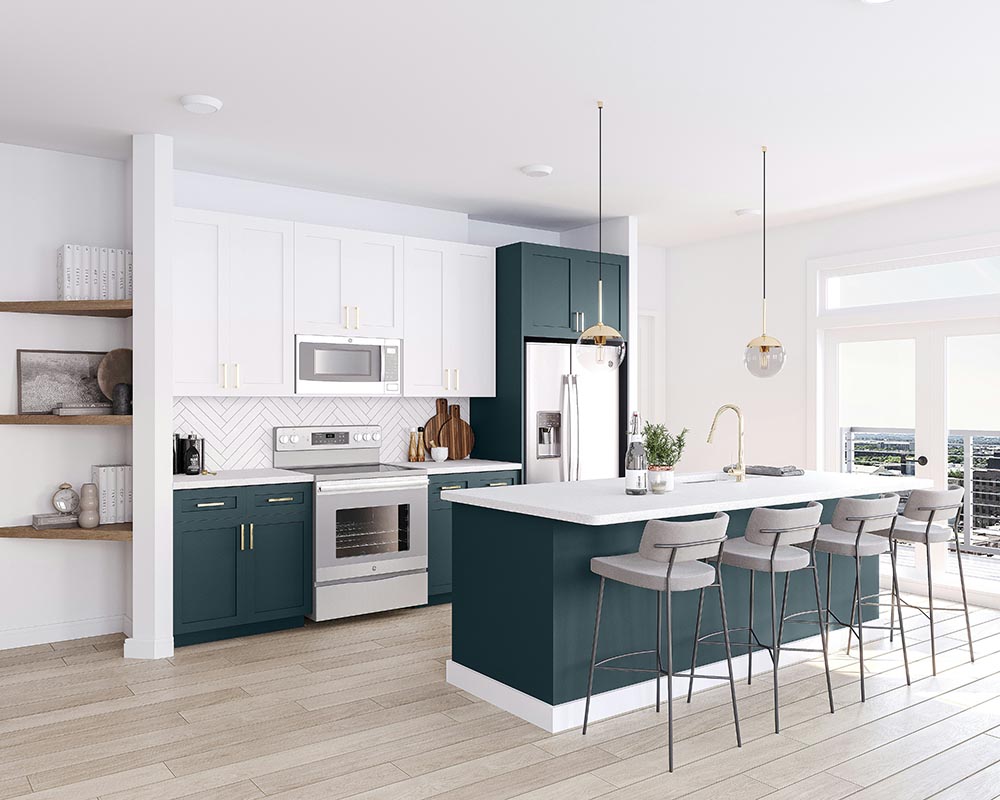
In 2026 the kitchen island has evolved from a static workspace into a multifunctional tech forward hub. Islands now routinely incorporate integrated induction cooktops with built in ventilation, wireless charging pads, and hidden outlets that surface only when needed. These hubs serve as command centers where prep meets connectivity, allowing homeowners to reference recipes, stream instructional videos, or manage smart appliances while engaging with family or guests. Many islands now include digital docking stations framed by sleek stone or composite surfaces that resist scratches and stains. Lighting beneath the island overhang creates ambience and aids task visibility, and adjustable surfaces let the island morph between prep area, dining table, or casual work zone with ease.
Voice and AI Control
Voice assistants and AI driven control systems are redefining how we interact with kitchen spaces. In 2026, these assistants do much more than set timers or play music; they coordinate appliance functions based on context, such as preheating ovens when you start a recipe, adjusting steam settings on multi cooker units, or sequencing coffee brews with morning alarms. These systems learn user preferences and can suggest adjustments over time, like lowering oven temperatures for more even baking based on past results. Personalized profiles distinguish preferences among family members, ensuring coffee strength, lighting warmth, and background audio match the individual using the space. This level of customization makes kitchen remodels feel personal, intuitive, and welcoming.
Sustainable Tech Integration
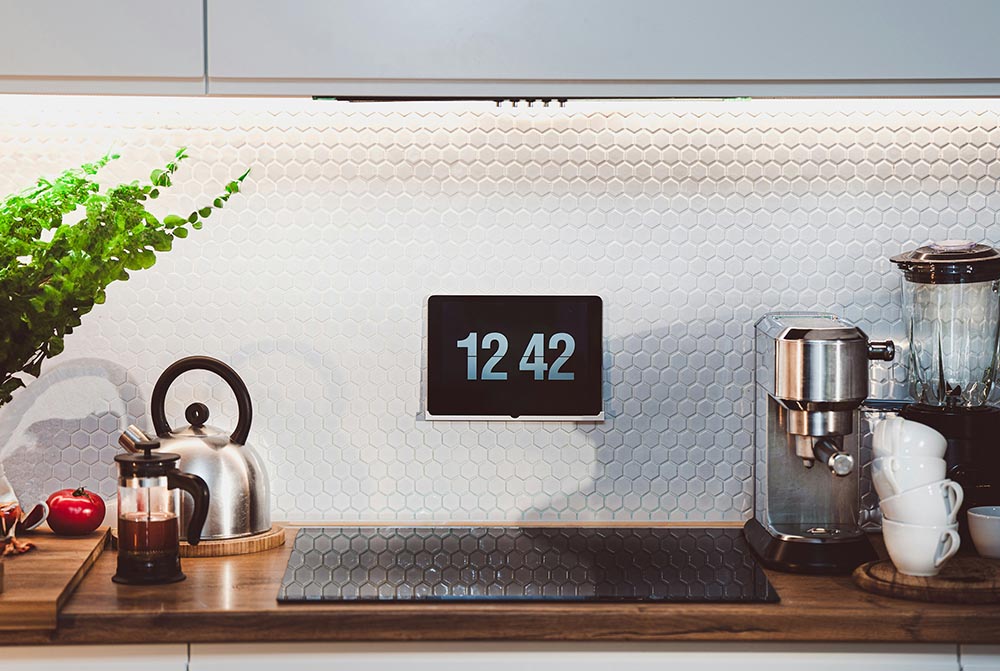
Sustainability and technology have merged in 2026 to create kitchens that are greener and smarter by design. Energy monitoring systems provide real time feedback on power usage, guiding users to make choices that reduce waste and lower bills. Smart dishwashers and refrigerators calibrate energy consumption to times when renewable grid power is highest, shifting loads automatically. Connected faucets conserve water by limiting flow when not needed and provide data on usage patterns to help households become more efficient. Composting units with sensor feedback break down organic waste faster and notify users when bins need attention. These systems make sustainability feel effortless and integrated rather than separate or burdensome.
Adaptive Lighting Solutions
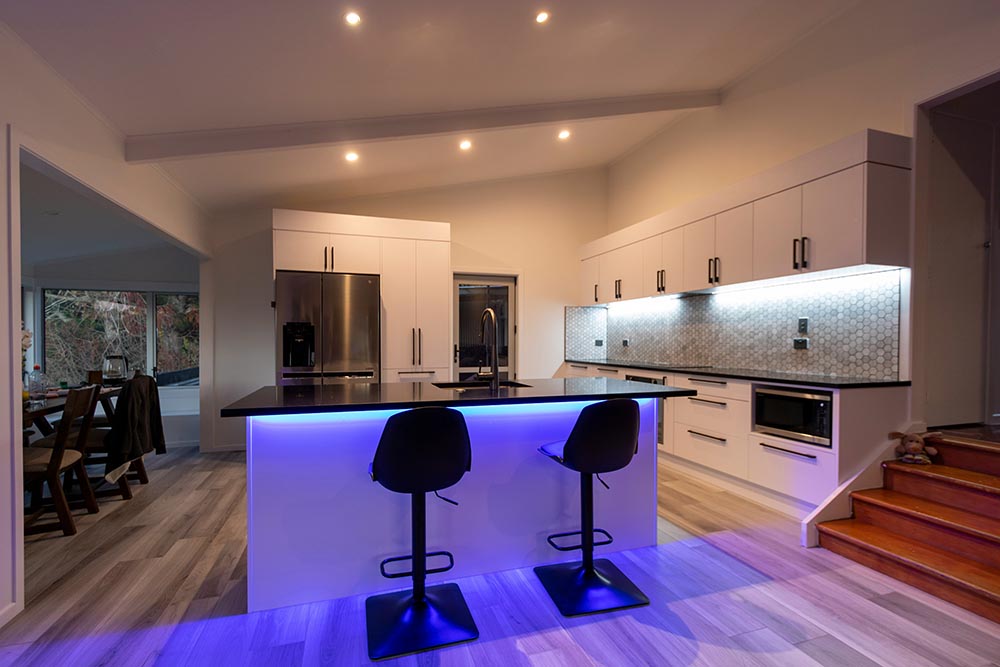
Lighting in the modern kitchen is now fully adaptive, blending form and function through smart fixtures that respond to activity and mood. Task lighting automatically brightens over prep areas when movement is detected, and ambient lighting softens in the evening to support relaxed dining experiences. Color tunable LEDs adjust throughout the day to mimic natural light, helping regulate circadian rhythms and enhance the perception of space. Integrated controls allow users to select lighting scenes with voice commands or app presets, shifting from bright daylight modes for cooking to warm, accent tones for entertaining. Lighting design works alongside other tech to unify the visual theme of the kitchen while maximizing both comfort and practicality.
Touchless and Gesture Controls
Touchless technologies and gesture controls have become commonplace in 2026 kitchen remodeling, elevating hygiene and ease of use. Faucets, soap dispensers, and faucets respond instantly to hand presence, reducing cross contamination during food preparation. Gesture recognition allows users to adjust volumes, timers, and appliance settings without touching screens or controls with messy hands. Refrigerators and cabinet doors can open automatically when they detect your approach, ideal when carrying items. These advancements minimize touchpoints and improve accessibility for users of all ages and abilities. By reducing friction in everyday tasks, this technology enhances the overall kitchen experience while keeping surfaces cleaner longer.
Smart Countertops
Countertops in 2026 have become smart surfaces, blending durable materials with digital functionality. Some surfaces incorporate integrated touch controls for connected devices, while others embed sensors that detect spills and automatically alert integrated ventilation or cleaning systems. These smart materials are engineered to resist heat, stains, and impact, ensuring longevity even under heavy use. Embedded LED lighting outlines zones for chopping, mixing, or plating, providing both guidance and ambient glow. Countertop connectivity also supports hidden charging stations for small appliances or devices, maintaining a clean look without sacrificing practicality. These innovations position the countertop as both a functional work surface and a connective hub in the kitchen.
Intelligent Storage Solutions
In 2026 kitchens, smart storage and inventory management technology reduce waste and streamline meal prep. Refrigerators with internal cameras use AI to scan contents, track expiration dates, and suggest recipes based on what’s available. Pantry shelves equipped with weight sensors update lists automatically and notify users when staples run low. Pull out drawers have built in temperature zones to preserve specific items longer, and smart labels help track inventory across spaces. These systems sync with grocery apps to generate suggested shopping lists, reducing guesswork and avoiding overbuying. Kitchen storage has become more than passive space; it’s an active partner in organization and efficiency that respects both food and family routines.
Security and Connectivity
Security and connectivity now extend to kitchen technology in 2026, ensuring that connected appliances and systems remain safe and reliable. Built in encryption protects networked devices from unauthorized access, and routine firmware updates occur automatically to patch vulnerabilities. Parental controls allow families to restrict functions such as oven activation during unsupervised moments. Smart sensors can detect gas leaks, smoke, or water overflows and communicate instantly with emergency services if needed. Connectivity between devices ensures that alerts are contextual, such as dimming lights and pausing music when safety alarms trigger. This emphasis on secure, responsive technology gives homeowners confidence that their kitchen is not just advanced, but protected.
Frequently Asked Questions
How can I increase my home’s value with a kitchen remodel?
A well-executed kitchen remodel can significantly boost your home’s resale value. Buyers are attracted to functional layouts, modern appliances, and high-quality finishes. Working with experienced kitchen remodeling pros ensures that your remodel combines style and practicality, giving you a strong return on investment.
Can I remodel my kitchen without changing the layout?
Absolutely. Many homeowners choose a cosmetic remodel, updating cabinets, countertops, appliances, flooring, and lighting while keeping the existing layout. This approach is often quicker and more budget-friendly, but still delivers a fresh, modern look.
How do I find trusted kitchen remodeling pros?
Finding reliable kitchen remodeling pros is essential to a successful kitchen remodel. At FindKitchenPros.com, we connect homeowners exclusively with vetted professionals who specialize in kitchen remodels. This ensures your project is handled by experts who understand the latest trends, quality materials, and efficient workflows.
What are the most important upgrades to focus on in a kitchen remodel?
The most impactful upgrades usually include cabinetry, countertops, lighting, and appliances. These elements shape both the look and functionality of your kitchen. Prioritizing quality in these areas ensures a beautiful, long-lasting space that suits your lifestyle and adds value to your home.

Read More
Top Cabinetry Trends
From sleek minimalist designs to smart storage solutions and sustainable materials, our latest guide reveals the top cabinetry trends shaping kitchens in 2026. Whether you’re remodeling or simply seeking inspiration, find out what’s on the rise and how to elevate your space with style and function.
Selecting Countertops
Choosing the right countertop can transform your kitchen — from timeless elegance to everyday functionality. Explore expert tips on materials, durability, maintenance, and style to help you find the perfect surface for your space and lifestyle.
Top Flooring Trends
From sustainable materials and bold patterns to high-performance surfaces for every room, discover the flooring trends that will define home design in 2026. Get inspired with the latest looks, practical tips, and expert picks to elevate your space from the ground up.
Selecting Kitchen Color
The right kitchen color sets the tone for your entire space. From warm neutrals to bold statement hues, explore expert tips on choosing colors that complement your cabinetry, countertops, lighting, and personal style—creating a kitchen you’ll love for years to come.


